
If you live in a compact apartment in Multan or a modest house in Lahore, every inch counts. One of the most common head-scratchers for families is figuring out where to tuck away a study desk. Should it sit proudly near the window to catch the morning breeze, or snug against a solid wall for that quiet, focused feel? It’s not just about looks — it’s about making daily routines smoother in spaces that often double as bedrooms, guest rooms, or even family lounges.
In small Pakistani homes, the study corner is rarely a fancy dedicated room. It’s usually carved out of a 10×12 foot space where kids do homework, adults handle office work, or the whole family gathers for online classes. The right desk placement can turn a cramped corner into something that actually feels usable instead of an afterthought. Let’s walk through the options in a practical, no-fuss way.
The Appeal of Placing Your Desk Near the Window
Many families instinctively lean toward the window. There’s something naturally inviting about it. Natural daylight floods in, especially in the cooler months when Punjab mornings feel fresh. You can glance outside at passing rickshaws or the neighbor’s courtyard without leaving your chair — a small mental break during long study sessions.
In tighter rooms, a window-side desk often frees up floor space because you’re using the wall that already has the light source. Think of a simple wooden table pushed right under the window sill. Pair it with lightweight curtains or a roller blind (easy to find at any local furniture market), and you control the brightness without blocking the view entirely.
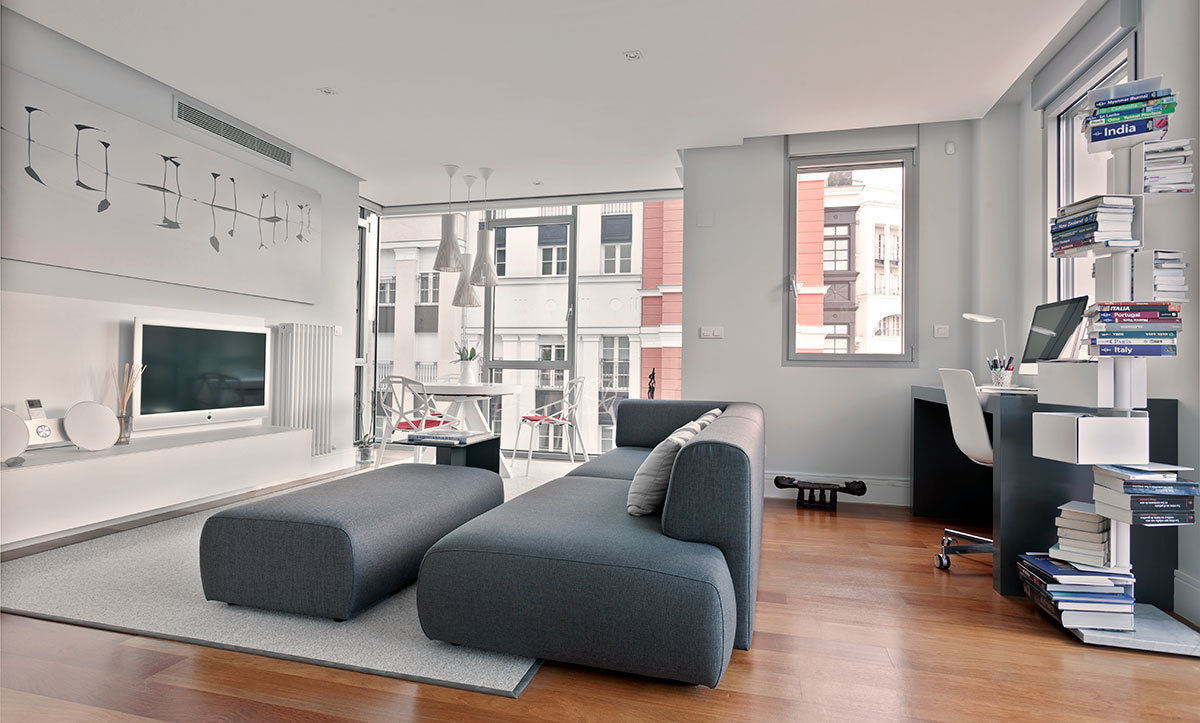
But it’s not all sunshine. In Pakistani summers, direct afternoon sun can turn the spot into a mini oven. Screens pick up glare, making it tricky to read or type comfortably. Dust from open windows is another reality — especially if your home faces a busy street. And if the window overlooks a noisy gali, distractions come free of charge.
Still, for many small homes, the window wins when you add smart fixes: sheer white curtains for soft diffusion, a small potted plant on the sill for a touch of green, or positioning the desk at a slight angle so the light comes from the side rather than straight ahead. It feels open and airy, which is a big plus when walls already close in.
Why Many Prefer the Desk Against the Wall
On the flip side, pressing the desk flat against a solid wall creates an instant sense of coziness. Everything stays within arm’s reach — shelves above for books, a pinboard for notes, and no awkward gaps behind the chair. In small bedrooms where the study area shares space with a bed or almirah, this layout keeps the room looking tidy and maximizes walking space.
Wall placement shines when you need to block out distractions. No tempting street views or changing light patterns. It’s especially handy during evening hours when load-shedding hits and you’re relying on a table lamp or inverter light. The wall acts like a quiet backdrop, letting you focus on the screen or notebook in front of you.
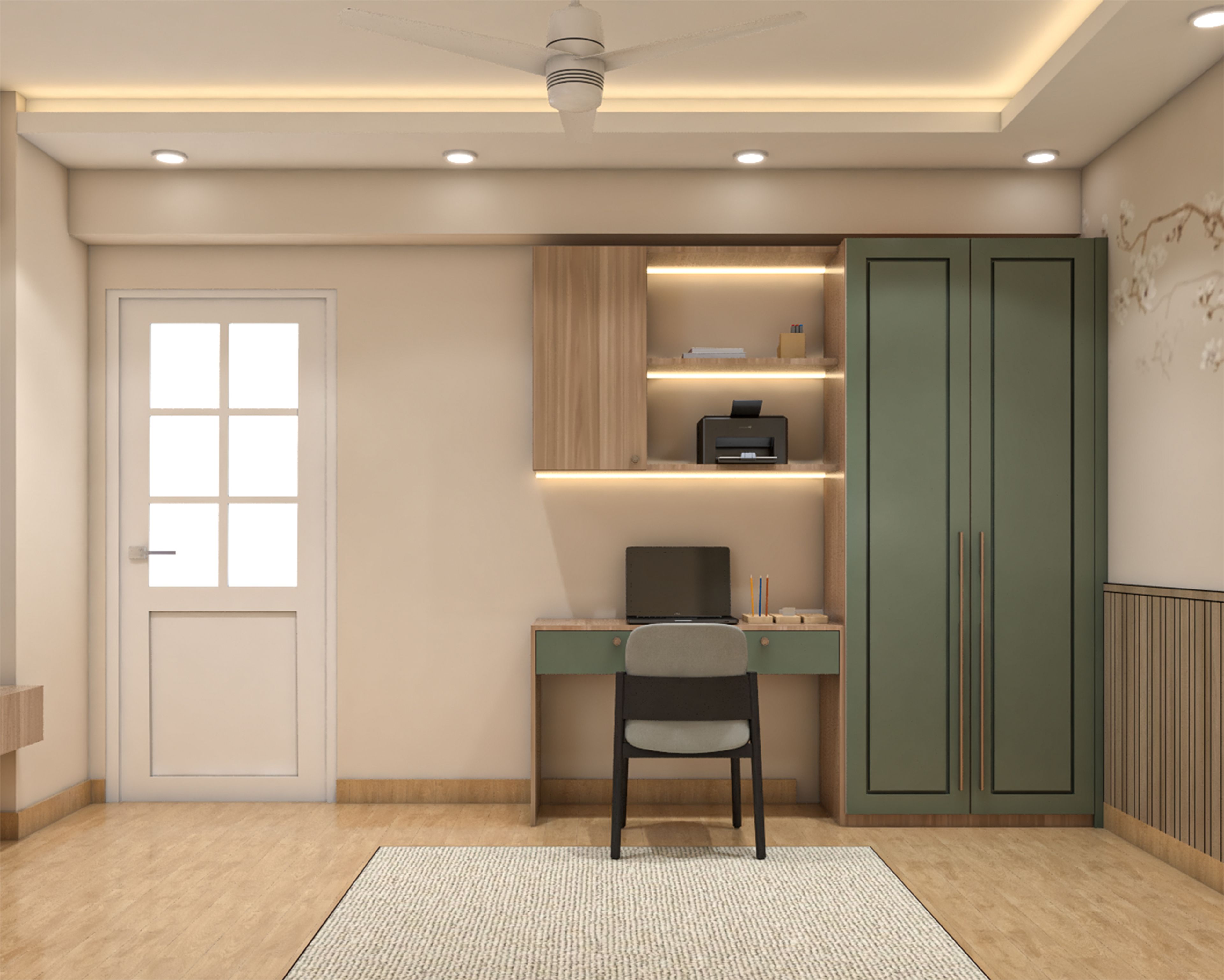
The downside? It can feel a bit boxed in if the wall is blank and bare. In smaller homes, this setup sometimes makes the room look narrower. But a quick fix is adding floating shelves or a slim bookcase right above the desk. Many local carpenters in Punjab can whip up a custom unit using affordable sheesham wood that matches existing furniture. Suddenly the wall becomes a useful feature wall instead of a dead end.
Finding the Middle Ground: Perpendicular Placement and Creative Twists
Not every room forces you to choose strictly window or wall. A lot of smart small-home setups place the desk perpendicular to the window — one end touching the wall, the other catching side light. This way you get natural brightness without glare on your screen, and you still have a solid surface behind you for storage.

In really tight layouts common in Pakistani apartments, consider an L-shaped desk that hugs two walls or even a corner unit that tucks neatly beside a window. Some families repurpose old dressing tables or buy fold-down wall-mounted desks that disappear when not in use. These options work beautifully in multi-purpose rooms where the study corner needs to vanish for guests or prayer time.
Making It Work in Real Pakistani Homes
Pakistan’s climate and home layouts add their own flavor to the decision. In hot, sunny regions like southern Punjab, windows facing west can blast heat in the afternoon — a simple window film or thick curtain from the Sunday bazaar solves most issues. North- or east-facing windows often give gentler morning light that many families love for daytime studying.
Space is the real boss here. Most small homes don’t have the luxury of a separate study; the desk might sit in a bedroom corner beside a wardrobe. Measure twice before buying — leave at least two feet behind the chair for easy movement. And don’t forget vertical space: wall-mounted shelves, pegboards, or even a slim ladder shelf can hold textbooks, stationery, and a small lamp without eating floor area.

Power cuts are part of daily life, so think about lighting. A wall desk lets you position a rechargeable lamp or clip-on light exactly where you need it. Window desks pair nicely with natural light during the day but need backup options after dark.
Simple Steps to Choose the Right Spot for Your Home
Start by sketching your room on paper (or use your phone’s notes app). Mark windows, doors, electrical outlets, and existing furniture. Sit in each possible desk spot for five minutes during different times of day — morning, afternoon, evening. Notice how the light falls and whether you feel comfortable.
Ask yourself a few everyday questions:
- Do you need lots of natural light for reading printed notes?
- Is the room used by kids who get distracted easily?
- Do you work mostly on a laptop or with paper and books?
- How much storage do you actually need right at the desk?
In smaller homes, many families end up mixing both ideas: desk near the window for daytime use and a secondary portable laptop table against the wall for evenings.
Styling Your Study Corner with a Local Touch
Once the desk is placed, the fun part begins. Keep it simple and budget-friendly. A neutral-colored table from local markets looks clean and pairs with almost any room. Add a colorful block-print cushion on the chair for comfort. Small woven baskets from Multan’s old city can hold chargers and pens without looking cluttered.
Greenery always lifts the mood — a money plant or snake plant in a clay pot thrives even in low light. String lights or a single warm LED lamp create a cozy glow during night study sessions. If the wall feels empty, hang a small framed landscape print or a family photo. The goal is a corner that feels welcoming rather than clinical.
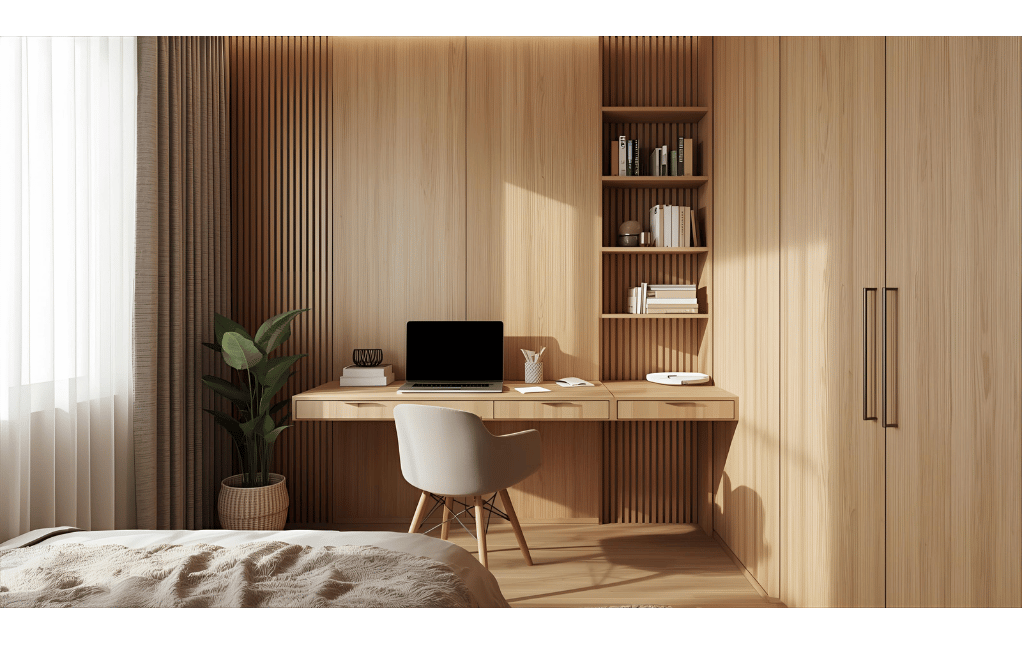
Final Thoughts on Creating a Practical Study Space
Choosing between a desk near the window or against the wall isn’t about following one “perfect” rule. It’s about what fits your daily rhythm in a small Pakistani home. Some days the window’s natural light wins; other times the wall’s quiet focus feels just right. The beauty of small-home living is how creative these decisions make us — turning limitations into clever, personal solutions.
Next time you’re rearranging, take a moment to test both placements. Move the table around, sit there with your usual books or laptop, and see what feels natural. With a few thoughtful tweaks — the right curtain, a slim shelf, or a simple angle adjustment — even the tiniest study corner can become the most used and loved spot in the house.
Your home is already full of smart decisions. This one is just another step toward making everyday spaces work better for the way you actually live

All information on this website is provided by Muhammad Shahbaz.Muhammad Shahbaz is a dedicated home improvement researcher and product specialist with over 5 years of experience analyzing the Pakistani consumer market. He specializes in providing data-driven comparisons for household essentials, from energy-efficient power solutions to climate-resilient interior decor. By combining technical specifications with real-world testing in local conditions, Muhammad ensures that every recommendation on p4product.com is practical, transparent, and built on a foundation of user trust and editorial integrity.