
Living in a small home in Pakistan often means making every inch count—especially when dust seems to settle faster than chai boils. Whether you’re in a compact apartment in Multan, a 3-marla house in Lahore, or a cozy flat in Karachi, choosing between open shelves and closed cabinets for dusty rooms feels like a real decision. One option keeps things airy and easy to grab; the other promises a tidier, more protected look. But which actually works better when the windows let in that familiar fine layer of dust every afternoon?
We’ve all seen those beautiful Pinterest kitchens with floating wooden shelves and perfectly styled crockery. Then reality hits: one strong breeze or a busy cooking day and suddenly everything looks a little dull. On the flip side, solid cabinets hide the mess but can make a tiny room feel even smaller. Today we’re breaking it down honestly—what works, what doesn’t, and how to decide based on real Pakistani small-home life. No fancy theories, just practical everyday insights.
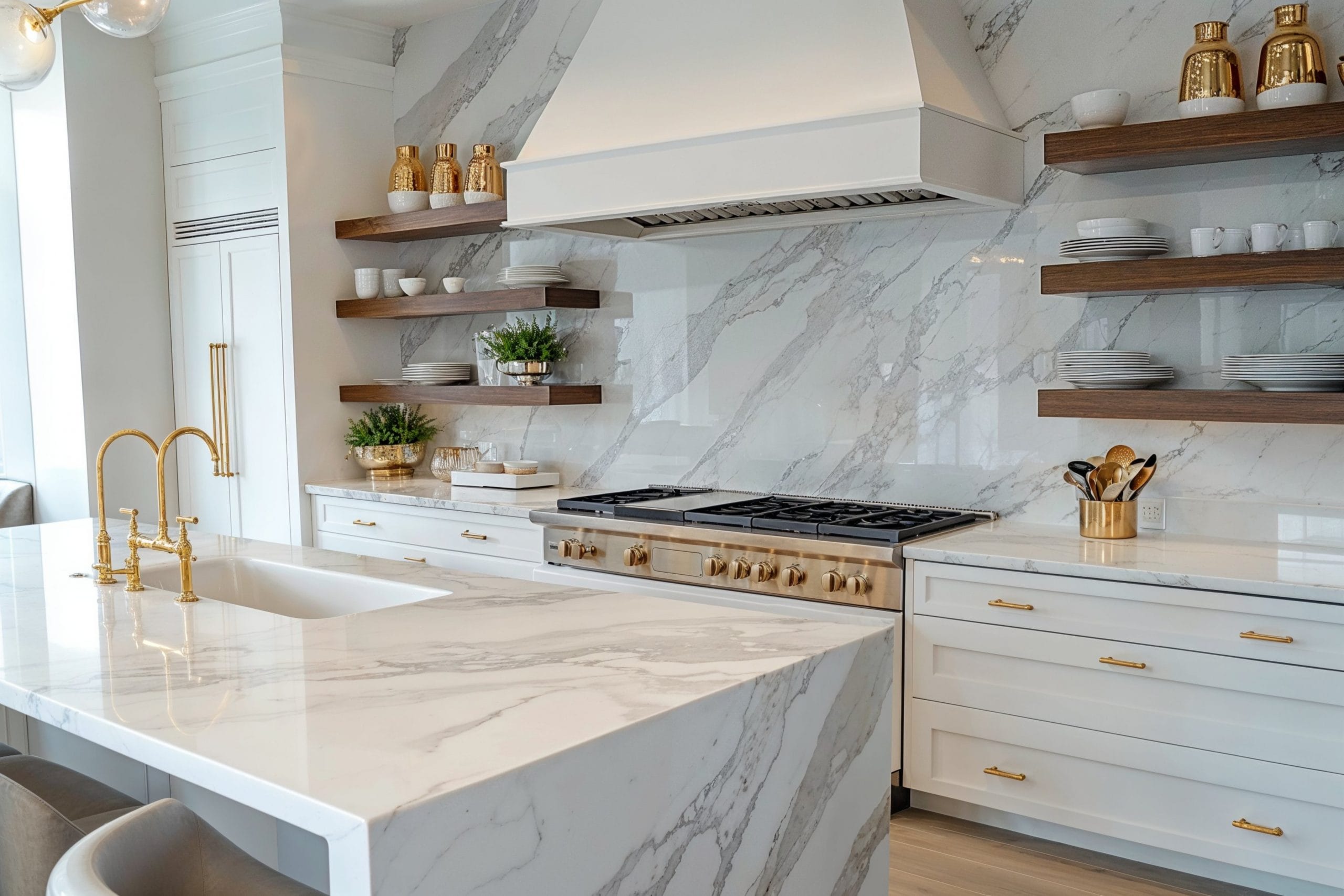
Open Shelving Kitchen: Create a Sleek and Stylish Culinary Space
Why Dust Feels Like a Daily Guest in Our Homes
In many parts of Pakistan, especially the drier regions, dust is part of the scenery. Windows stay open for ventilation, fans run nonstop in summer, and even with regular sweeping, that light film shows up on surfaces. In small homes this matters more because storage is limited and everything is on display or within arm’s reach. Open shelves let you reach for a glass without opening a door—handy when the whole family is moving around the kitchen or living area. Closed cabinets, however, keep plates and linens looking fresher longer between cleanings.
The choice isn’t about right or wrong. It’s about how you actually live in your space. Let’s look at both sides clearly.
Open Shelves: The Airy, Easy-Access Choice
Open shelves instantly make a room feel bigger and brighter—perfect for small Pakistani homes where every bit of visual space counts. You can display your favourite tea sets, daily-use plates, or even a few potted plants that add a fresh touch to the corner. Grabbing something is quick, and they work beautifully above a counter or in a narrow living-room wall.
On the practical side, they encourage you to keep only what you use often. Items that rotate daily—like glasses, mugs, or spices—don’t sit long enough to gather noticeable dust. Many families here love the modern yet homely look that blends with simple whitewashed walls or traditional wooden furniture.
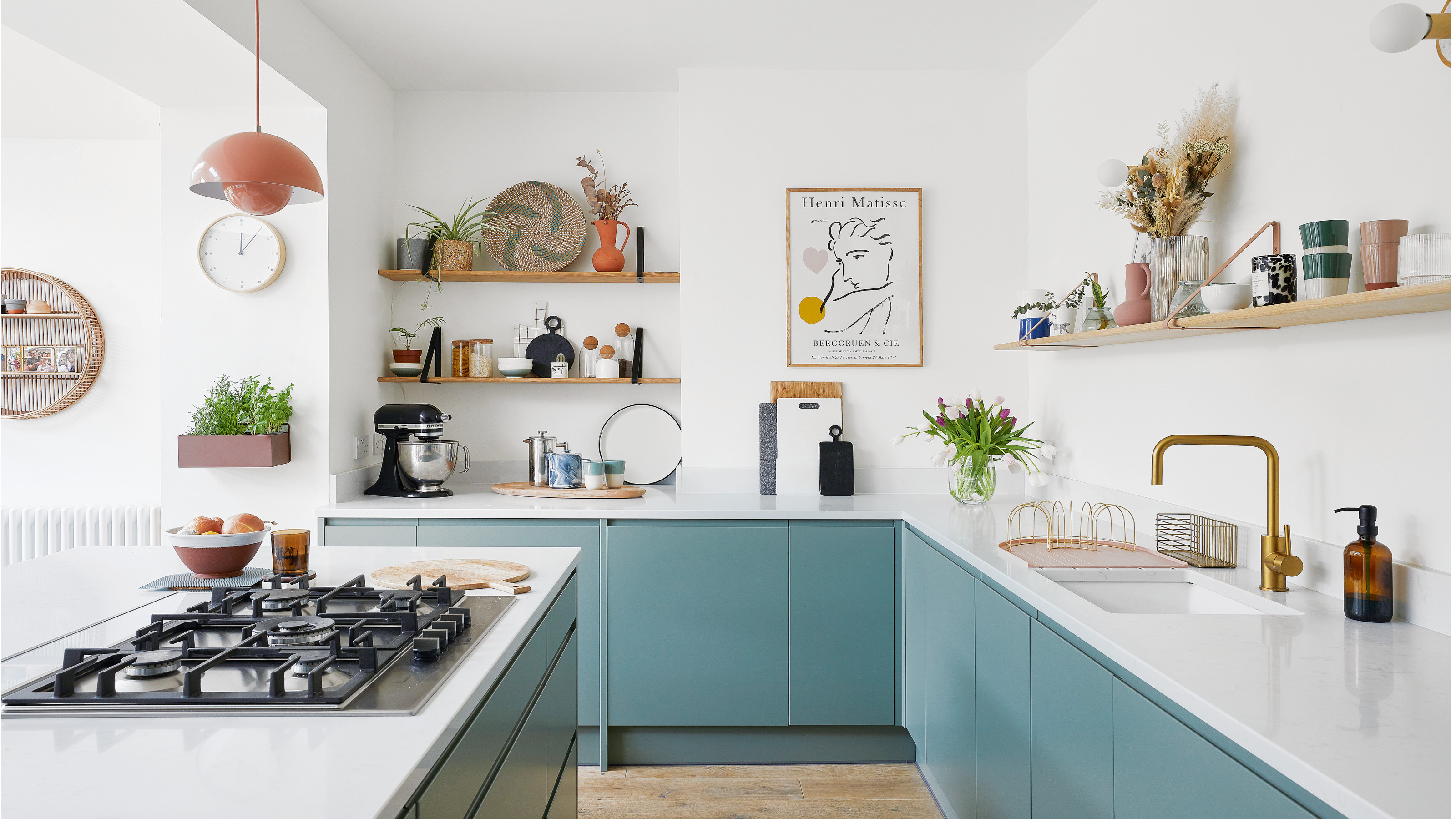
22 Kitchen shelving ideas for a sleek and practical storage | Ideal Home
But yes, dust does settle faster on open surfaces. In rooms near windows or busy kitchens, you might notice it after a couple of days. The solution many small-home owners swear by is choosing smooth, easy-to-wipe materials like sealed wood or powder-coated metal and keeping styling minimal—fewer small trinkets mean less dusting time.
Closed Cabinets: The Low-Maintenance Protector
Closed cabinets shine when you want things to stay cleaner longer. Doors block dust, and you can tuck away less-used items without worrying about how they look. In small kitchens or bedrooms, they create a neat, streamlined appearance that makes the whole room feel more organised at first glance.
They’re especially useful in dusty rooms where you want to store linens, extra crockery, or seasonal clothes. The visual bulk can be managed with slim profiles or floor-to-ceiling designs that reach right up to the ceiling—leaving no dusty ledge on top. In Pakistani homes, many local carpenters build these with simple sliding or hinged doors that fit tight spaces perfectly.

20 Small Kitchen Design Ideas (2026 Updated Guide) | OPPEIN
The downside? They can make a tiny room feel a bit more enclosed if overused. Opening and closing doors repeatedly in a busy household can also feel like one extra step when you’re in a hurry.
Key Factors to Consider in Small Pakistani Homes
Space is the biggest reality check. In a 2-marla apartment, open shelves can open up the feel of the room while closed cabinets maximise hidden storage. Think about your daily routine: if the family uses the kitchen constantly for chai and roti, open shelves for everyday plates might save time. For guest items or extra bedding, closed storage keeps everything ready without the dust worry.
Local climate plays a role too. During dry summer months or after a dust storm, closed options win for protection. In monsoon humidity, good ventilation matters either way—choose designs with some airflow gaps if possible. Vertical storage is a game-changer here: ceiling-high cabinets or tall narrow units make the most of wall space without eating floor area.
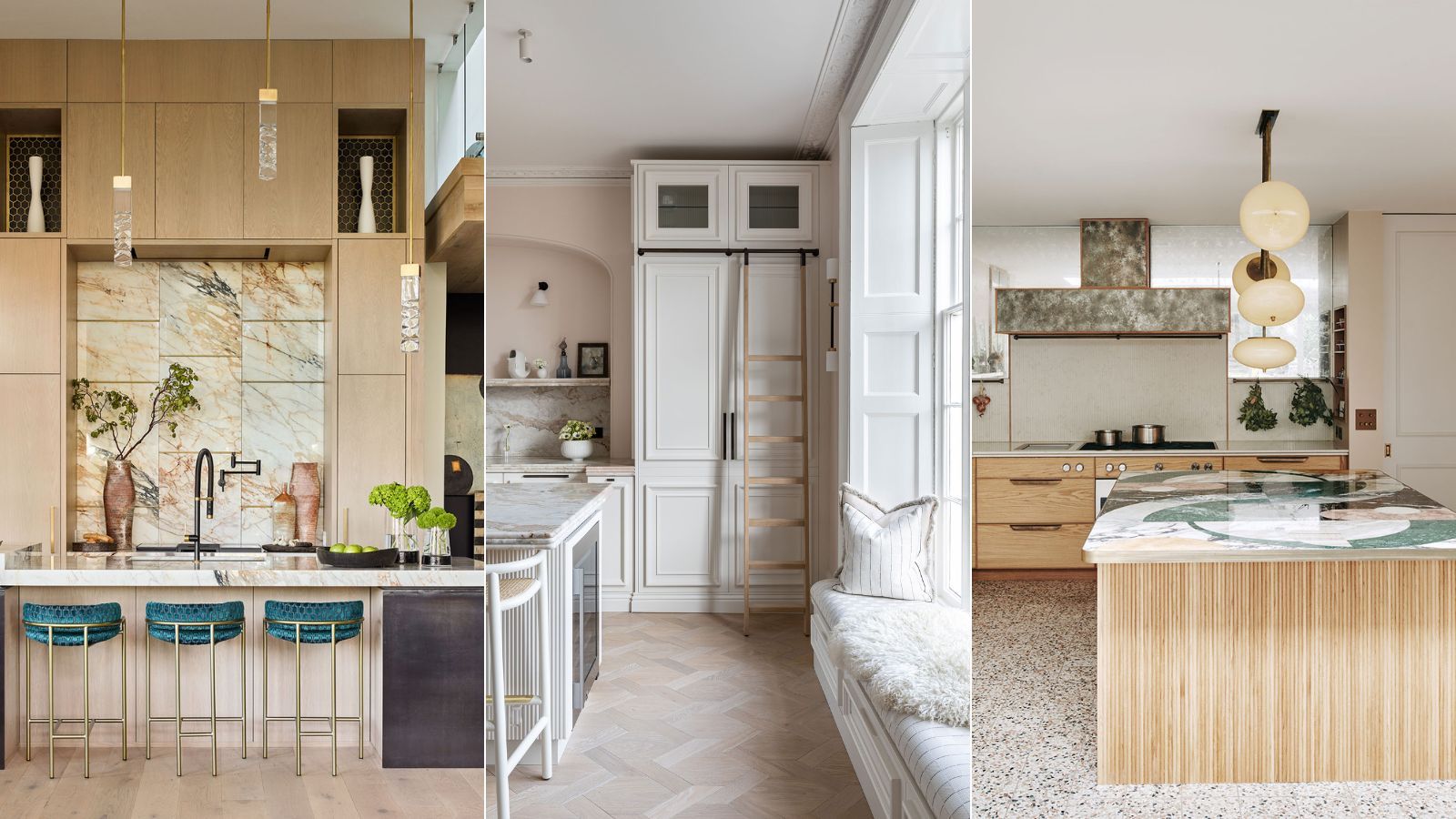
Floor-to-ceiling kitchen storage ideas: 10 stylish looks | Homes and Gardens
Style-wise, both can fit beautifully. Open shelves pair nicely with minimalist modern looks popular in new apartments, while closed cabinets feel at home in more traditional family setups. Many small homes mix both for the best of both worlds.
When Open Shelves Make the Most Sense
Go for open shelves in living areas or less dusty corners away from windows and cooking zones. They’re ideal for items you use daily or want to display proudly—think cookbooks, decorative jars, or your everyday dinnerware. In small homes they create that welcoming, lived-in feel many Pakistani families love. Just keep styling simple: group similar items, use matching containers, and dust once or twice a week with a soft cloth.
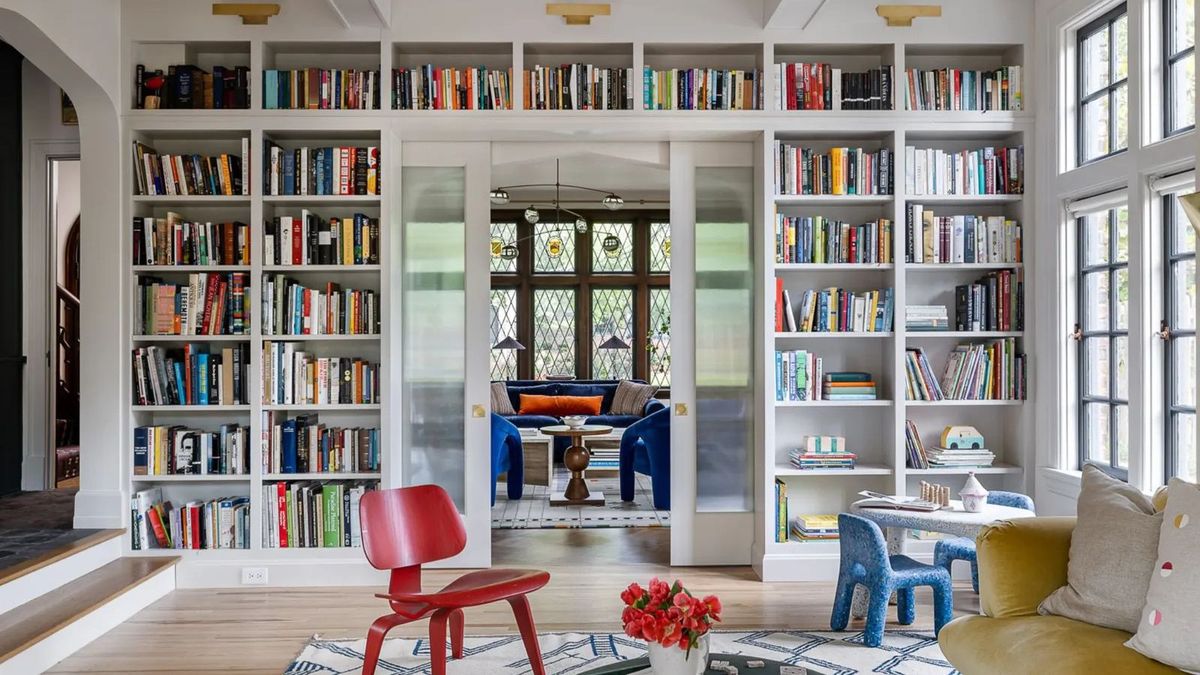
20 living room storage ideas that perfectly balance form and function | Homes and Gardens
When Closed Cabinets Are the Smarter Pick
Choose closed cabinets for bedrooms, storerooms, or any area where items sit unused for days. They’re fantastic for keeping extra towels, seasonal clothes, or special occasion crockery looking fresh. In dusty kitchens, glass-front or partial-open designs can give you a peek while still offering protection. Many local options on the market come with soft-close doors that feel premium without fuss.
Hybrid Solutions: The Best of Both Worlds
The smartest small-home setups often combine both. Imagine upper closed cabinets for less-used items and lower open shelves for daily plates. Or a tall unit with open display on one side and doors on the other. Local carpenters in every city can customise these easily, and ready-made options with open-and-closed sections are easy to find online or in furniture markets. This approach keeps the room feeling open while protecting what needs it most.
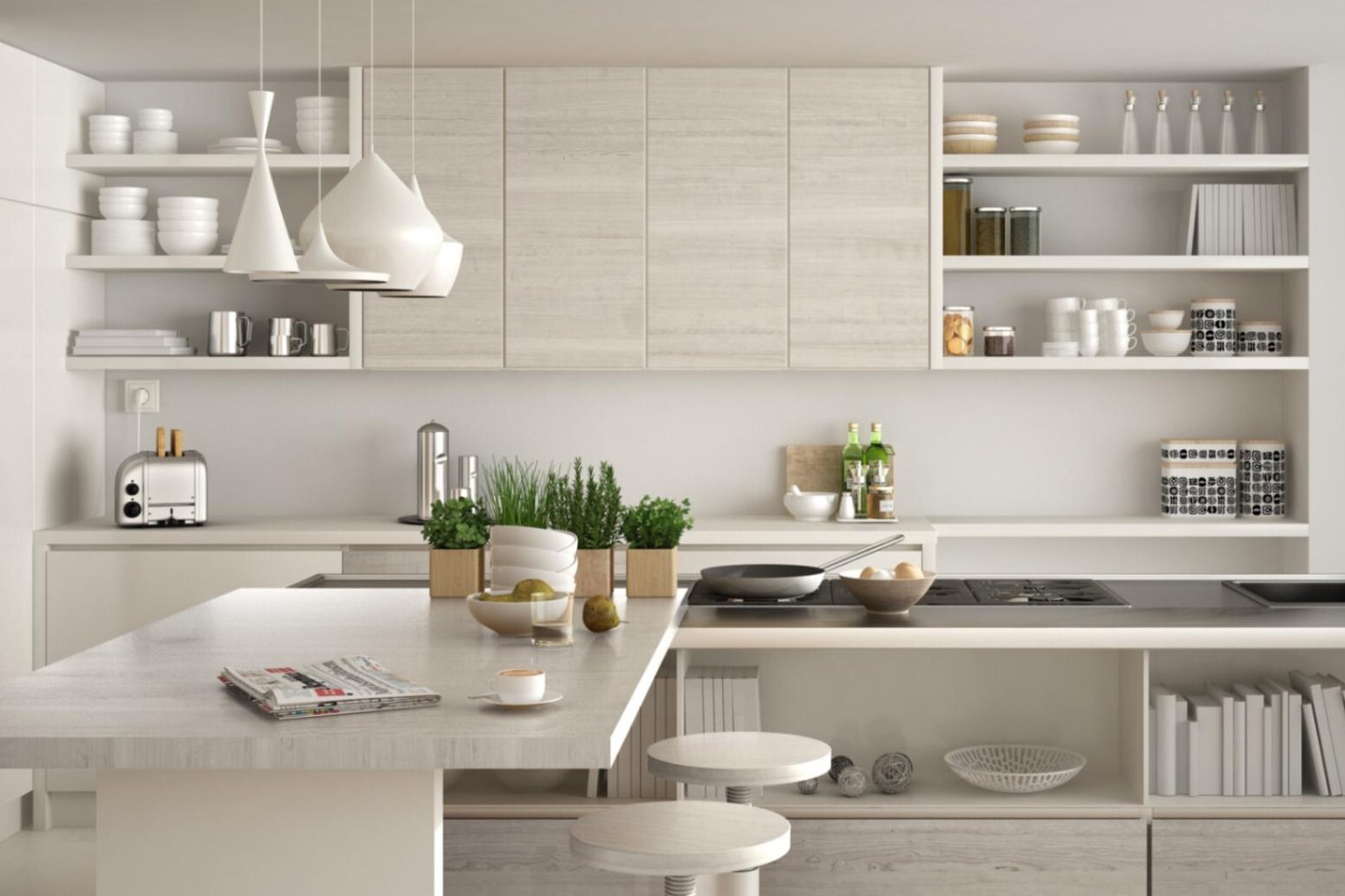
Open Shelving vs. Closed Cabinets: Pros, Cons & Best Kitchen Design Tips | Nero Tapware
Everyday Tips to Make Either Option Work Better
- Place frequently used items on open shelves so they get regular handling and washing.
- Use simple baskets or covered containers on open shelves to cut down visible dust.
- For closed cabinets, leave a little breathing space inside so air circulates.
- Wipe shelves or cabinet tops with a damp cloth every few days—takes just minutes.
- Consider ceiling-height units to eliminate dusty gaps above cabinets.
- In small rooms, light-coloured finishes (white, light wood) make everything feel larger and brighter.
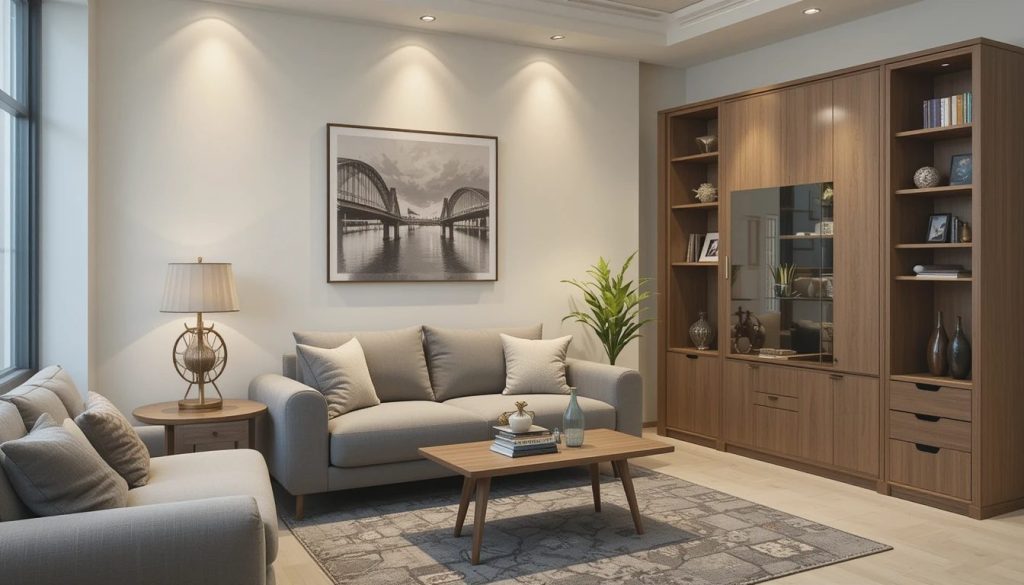
5 Brilliant Small Home Design Tips For Maximizing Space In Pakistan – Cube Design Studio
These small habits keep any storage looking its best without turning into a full-time job.
Real-Life Inspiration from Small Pakistani Homes
Picture a compact Multan kitchen with open wooden shelves above the counter holding daily glasses and spices—easy reach for the whole family, wiped clean each morning. Or a Lahore apartment living room where closed floor-to-ceiling cabinets hide extra bedding while a few floating open shelves display family photos and plants. Many homes here use a mix: closed storage in the bedroom for clothes, open shelves in the sitting area for books and decor. The result feels personal, practical, and perfectly suited to small-space living.
Your Space, Your Choice
At the end of the day, open shelves and closed cabinets both have a place in small Pakistani homes. Open shelves bring lightness and convenience; closed cabinets offer protection and calm. The best decision comes down to how you use the room, what you store, and how much dusting time feels right for your routine.
Take a good look at your dusty room, measure the wall space, think about your daily flow, and picture both options in your home. Whether you lean toward open, closed, or a clever mix, the goal is the same: a space that feels comfortable, organised, and truly yours. Small homes in Pakistan already have so much heart—smart storage just helps that heart shine a little brighter every single day.