
Living in a small home in Pakistan means every decision counts—especially when it comes to curtains. In cities like Karachi, Lahore, or even humid pockets of Islamabad, the weather swings from sticky monsoons to muggy pre-rain days. You want window coverings that look nice, let in some breeze, and don’t turn into a hassle. Cotton and polyester curtains are two of the most common choices you’ll find in local markets or online stores. But which one actually works better when the air feels heavy with moisture?
If you’ve ever noticed your curtains feeling damp after a rainy spell or struggling to dry properly in a compact balcony flat, you’re not alone. Let’s walk through this comparison in a real, no-nonsense way tailored to small Pakistani homes. We’ll look at how each fabric behaves in our climate, what it means for your daily life, and simple ways to make them work in tight spaces.
Why Curtain Fabric Matters in Pakistan’s Humid Seasons
Pakistan’s humid weather isn’t just about rain—it’s the combination of high moisture, occasional dust storms, and the need for good airflow in smaller rooms. In a 2-bedroom apartment, your curtains have to handle everything from blocking harsh afternoon sun to keeping privacy without making the space feel closed-in. Poor choices can lead to curtains that sag, smell musty, or need constant attention.
Cotton and polyester each bring different strengths to the table. One feels more natural and breathable; the other is tougher and quicker to bounce back. Understanding the difference helps you pick something that fits your routine rather than adding extra chores.
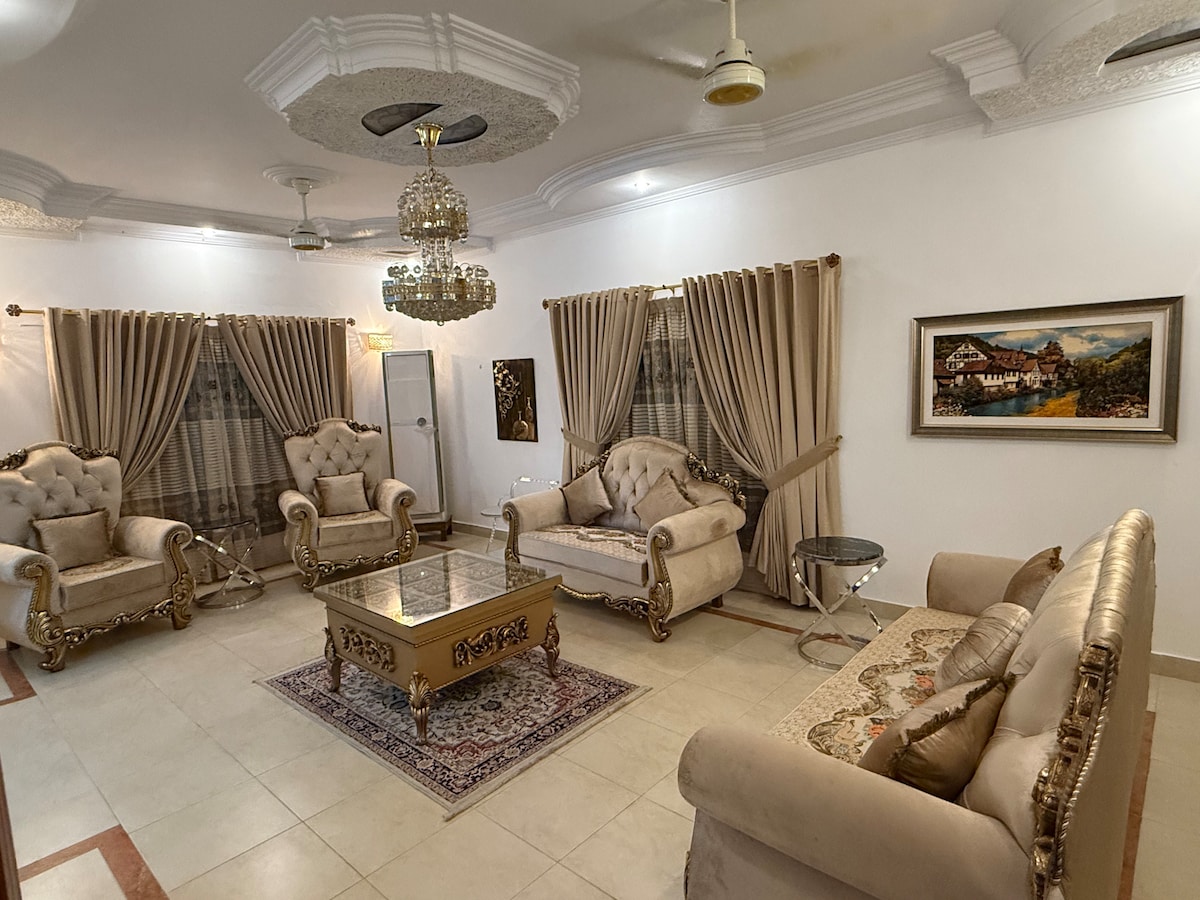
(A typical small Pakistani living room with neutral curtains—notice how they frame the space without overwhelming it.)
Getting to Know Cotton Curtains
Cotton curtains have that soft, classic appeal many of us grew up seeing in family homes. They come in lovely prints, solids, and even block-print designs that feel right at home with traditional Pakistani decor. In humid weather, cotton’s natural fibers allow air to move through more freely. This can make a small room feel less stuffy on those warm, damp evenings when you want the fan circulating.
On the plus side, cotton often drapes beautifully and gives a cozy, lived-in look. It’s absorbent, so it can soak up a bit of moisture from the air without immediately feeling wet. Many people in smaller homes appreciate how cotton pairs well with lighter sheers underneath for layered privacy.
But here’s the reality check for humid conditions: because cotton holds onto moisture, it can take longer to dry out completely. In a small home with limited ventilation, this sometimes means dealing with a slightly heavier feel after prolonged humidity or the occasional musty scent if not aired out regularly. Sun exposure in south-facing windows can also cause fading over time, especially in brighter coastal areas.
For small spaces, cotton works wonderfully if you choose lighter weights and keep windows open when possible. It adds softness without making the room feel boxed in.

(Light cotton-style curtains in a bright, airy living area—perfect inspiration for opening up small Pakistani rooms.)
All About Polyester Curtains
Polyester curtains are everywhere in Pakistan for a reason. You’ll spot them in eyelet styles, printed panels, and blackout options at affordable prices in local shops or online. They’re synthetic, which means they don’t absorb moisture the same way natural fibers do. In humid weather, this translates to quicker drying and less chance of that lingering damp feeling.
Polyester holds its shape well, resists wrinkles, and keeps colors looking fresh even after repeated exposure to sun or dust. In a small home, this durability means fewer replacements and easier weekly dusting—something that matters when your living room doubles as a family hangout spot. Many polyester options also block more light if you need daytime rest in a compact bedroom.
The trade-off? They can feel less breathable than cotton. On very humid days, some people notice the room retaining a bit more warmth because air doesn’t pass through quite as easily. Still, modern polyester blends have improved a lot, and many now come with a softer hand-feel that doesn’t scream “plastic.”
In practice, polyester shines in busy households where low maintenance is key. Hang them up, give them a quick wipe when needed, and they’re ready to go again.
:strip_icc()/bhg-pottery-barn-belgian-flax-linen-curtain-belle-duchene-02-7c8086e4745540eab966bb8e7f9e82ee.jpeg "Cotton vs Polyester Curtains in Humid Weather: Practical Picks for Small Homes in Pakistan")
(Clean, modern polyester-style curtains in a bedroom setting—great for small spaces that need neat, fuss-free window treatments.)
Head-to-Head: Cotton vs Polyester in Humid Pakistani Weather
Let’s break it down simply:
- Breathability & Airflow: Cotton wins here. It feels lighter and more natural in muggy conditions, helping small rooms stay comfortable.
- Moisture Management: Polyester takes the lead. It repels dampness better, reducing the risk of that heavy, clammy texture after rain.
- Maintenance: Polyester is easier for everyday life—less ironing, faster cleaning. Cotton may need more gentle handling and occasional sun-drying.
- Look & Feel: Cotton offers a softer, more organic vibe that blends with desi decor. Polyester delivers crisp lines and vibrant prints that pop in tighter spaces.
- Durability in Sun & Dust: Polyester generally holds up longer against fading and city pollution.
In small homes, the choice often comes down to your priorities. If your space gets good cross-breeze and you love a natural touch, lean toward cotton. If quick recovery from humidity and minimal upkeep matter more, polyester might feel like a smarter everyday pick.
Many families in Pakistan go for blends—cotton-polyester mixes—that try to combine the best of both. These are widely available and worth considering if pure options feel too one-sided.

(Side-by-side fabric texture comparison—see how different weaves affect drape and lightness.)
Making It Work in Small Pakistani Homes
Small homes in Pakistan often mean clever multi-use rooms. Curtains aren’t just window covers; they help define zones, control light, and even make the space feel bigger. In humid weather, choose lighter colors and simpler patterns to avoid visual clutter. Floor-to-ceiling styles can create the illusion of height in low-ceiling apartments, while shorter panels keep things airy.
Try layering: a sheer polyester base for privacy and a cotton outer panel for softness. This combo works beautifully in compact drawing rooms. In bedrooms, opt for curtains that tuck neatly behind furniture so they don’t eat into walking space.
Local styling trends favor subtle prints—florals, geometrics, or traditional motifs—that don’t overpower small walls. Hang them high and wide to maximize light when open and add drama when closed.
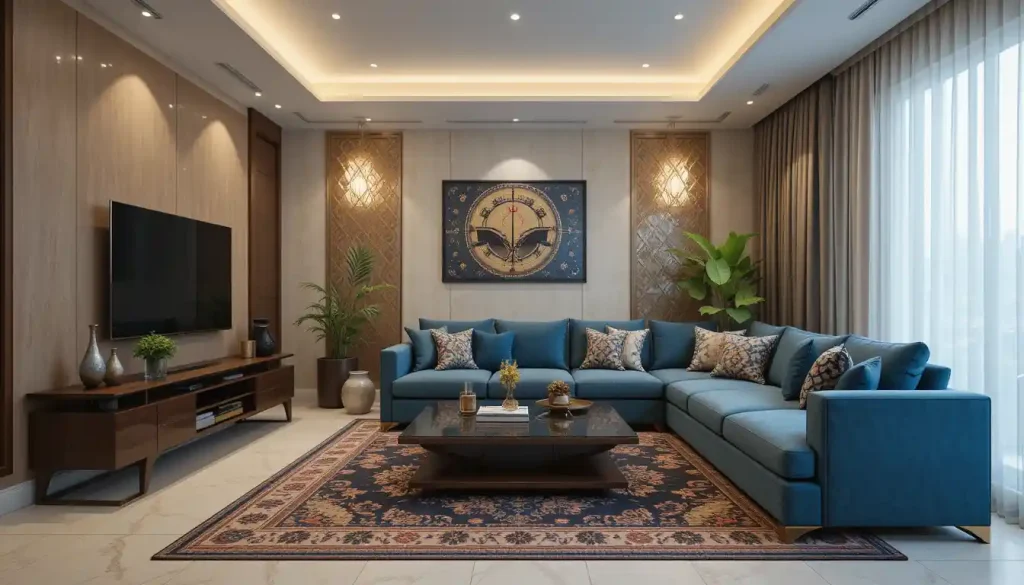
(Modern small-home living room with well-chosen curtains—notice how they enhance rather than shrink the space.)
Everyday Care Tips That Actually Fit Your Routine
No matter which fabric you pick, a few habits make humid-weather life easier. Shake out curtains weekly to remove dust. On sunny days, open windows and let natural air flow through. For cotton, occasional gentle washing and line-drying on the balcony helps. Polyester often just needs a damp cloth wipe-down.
In smaller homes without dedicated laundry space, choose machine-washable options and avoid heavy linings that trap moisture. A quick tip many Pakistani households swear by: rotate your curtain panels seasonally so one set rests while the other works.
Exploring a Few Other Options
While cotton and polyester dominate, some blends or lighter voiles offer middle-ground solutions. In very humid coastal areas, consider styles with minimal bulk. The goal is always balance—fabric that looks good, feels practical, and supports the way you actually live.
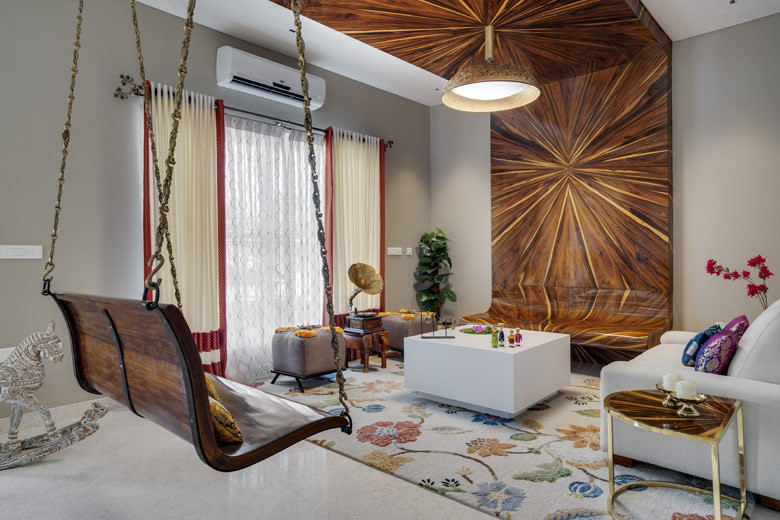
(Stylish South Asian-inspired small space with thoughtful curtain placement—light and inviting.)
Wrapping It Up: Your Small Home, Your Call
Choosing between cotton and polyester curtains in humid weather doesn’t have to be complicated. Both have a place in Pakistani small homes—it just depends on whether you value breathability and softness (cotton) or resilience and ease (polyester). Take a look at your daily routine, the direction your windows face, and how much time you want to spend on upkeep. Visit a local market, feel the samples, and picture them in your own space.
The right curtains can quietly make your home feel more comfortable and put-together, even when the weather outside is doing its humid best. In the end, it’s about small decisions that add up to a space you genuinely enjoy coming back to—damp days and all.