
White Light vs Warm Light for Bedroom in Pakistan: Choosing the Right Glow for Small Homes
In many small homes across Pakistan, the bedroom is more than just a place to sleep—it’s a personal retreat after long commutes, a quiet corner for prayer, or a shared space where the family gathers in the evening. With rising urban living, compact apartments in cities like Karachi, Lahore, and Rawalpindi often feature bedrooms that double as multi-purpose zones. One of the most common decisions homeowners face is choosing between white light (often called cool white or daylight) and warm light for these tight spaces. The difference isn’t just technical—it shapes how the room feels, how furniture pops, and how the space flows during different hours of the day.
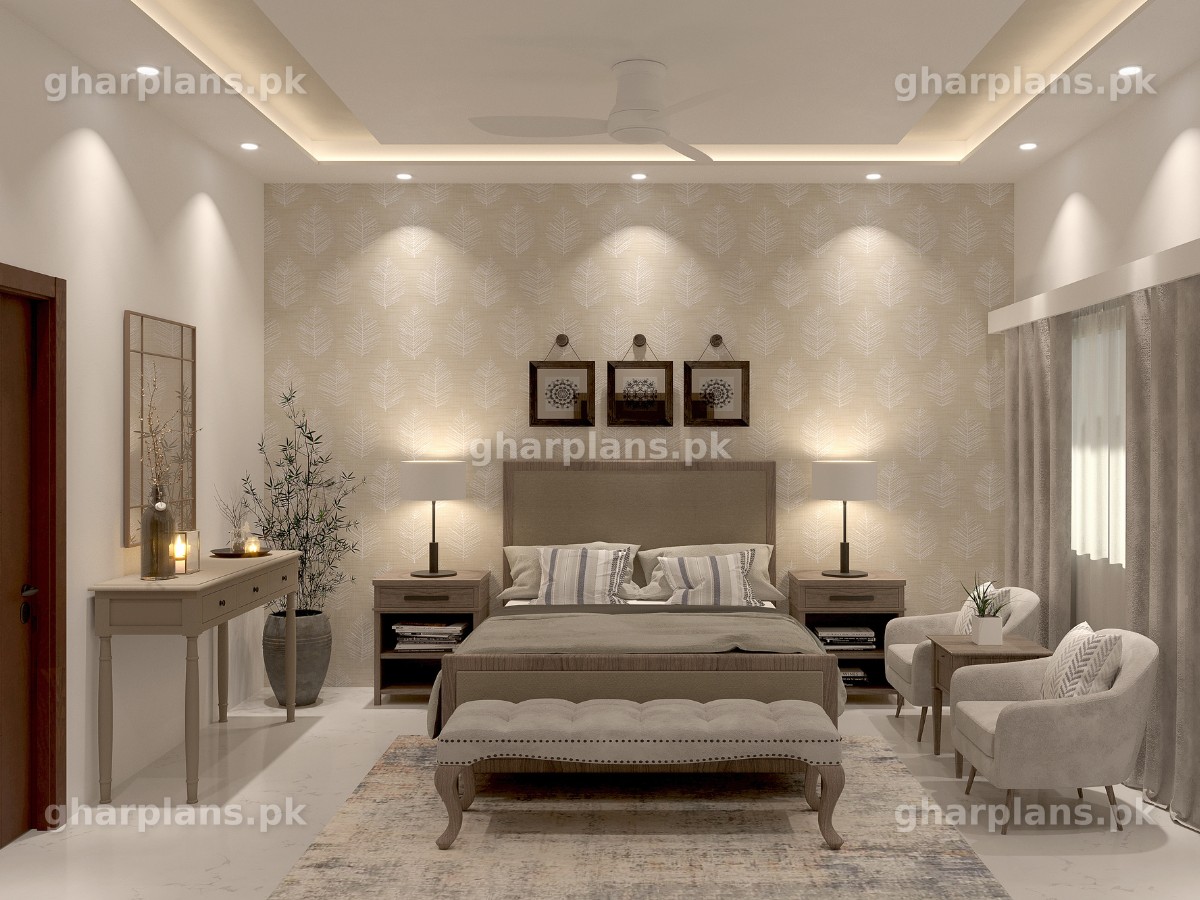
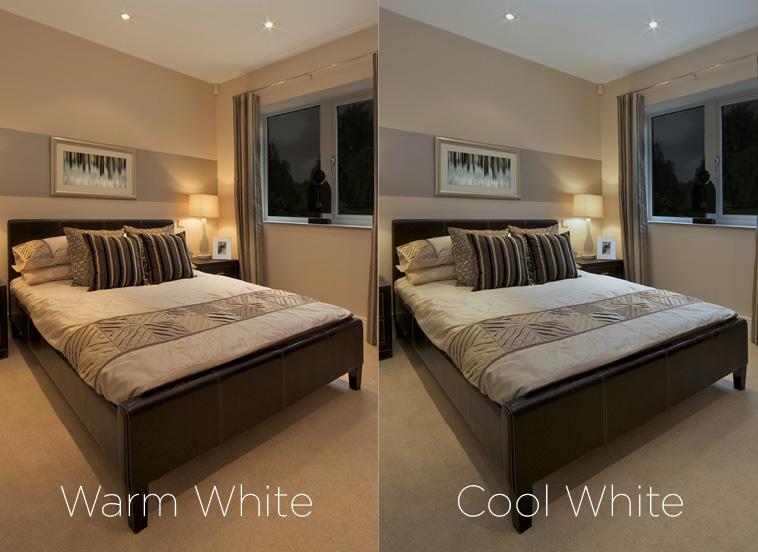
Warm light, with its soft yellowish glow, has long been a favourite in traditional Pakistani homes. It casts a gentle, inviting hue that makes wooden wardrobes, embroidered bedcovers, and rattan chairs look richer and more lived-in. In a small bedroom, this light tends to create a snug, cocoon-like atmosphere. Many families notice that warm tones make the walls feel closer in a comforting way, almost like wrapping the room in a soft shawl during winter evenings in Lahore or cool nights in Islamabad. Ceiling fans with integrated warm bulbs or simple bedside lamps in this range often turn a basic 10×12 ft room into a cosy nook where conversations linger longer.
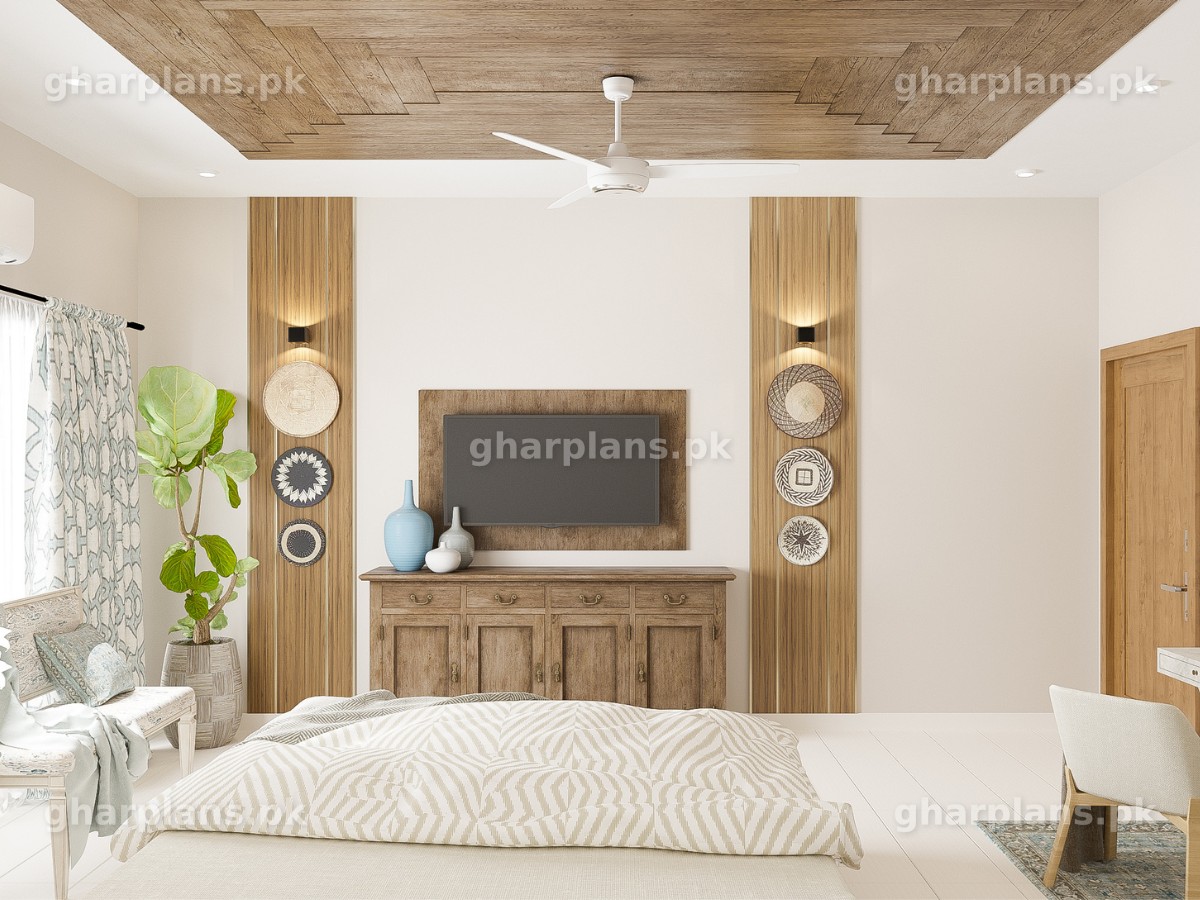
On the other hand, white light—bright and crisp—brings a completely different energy. It mimics the clear daylight many small bedrooms lack because of narrow windows or high-rise surroundings. In compact apartments where natural sunlight barely reaches the inner walls, a cool white LED ceiling light can make the space feel instantly larger and airier. The sharp illumination highlights clean lines on modern furniture, bounces off light-coloured tiles or painted walls, and gives the room a fresh, open vibe that works well for morning routines or when the bedroom serves as a temporary workspace. Homeowners in high-density areas often mention that white light helps the room “breathe” when every inch counts.
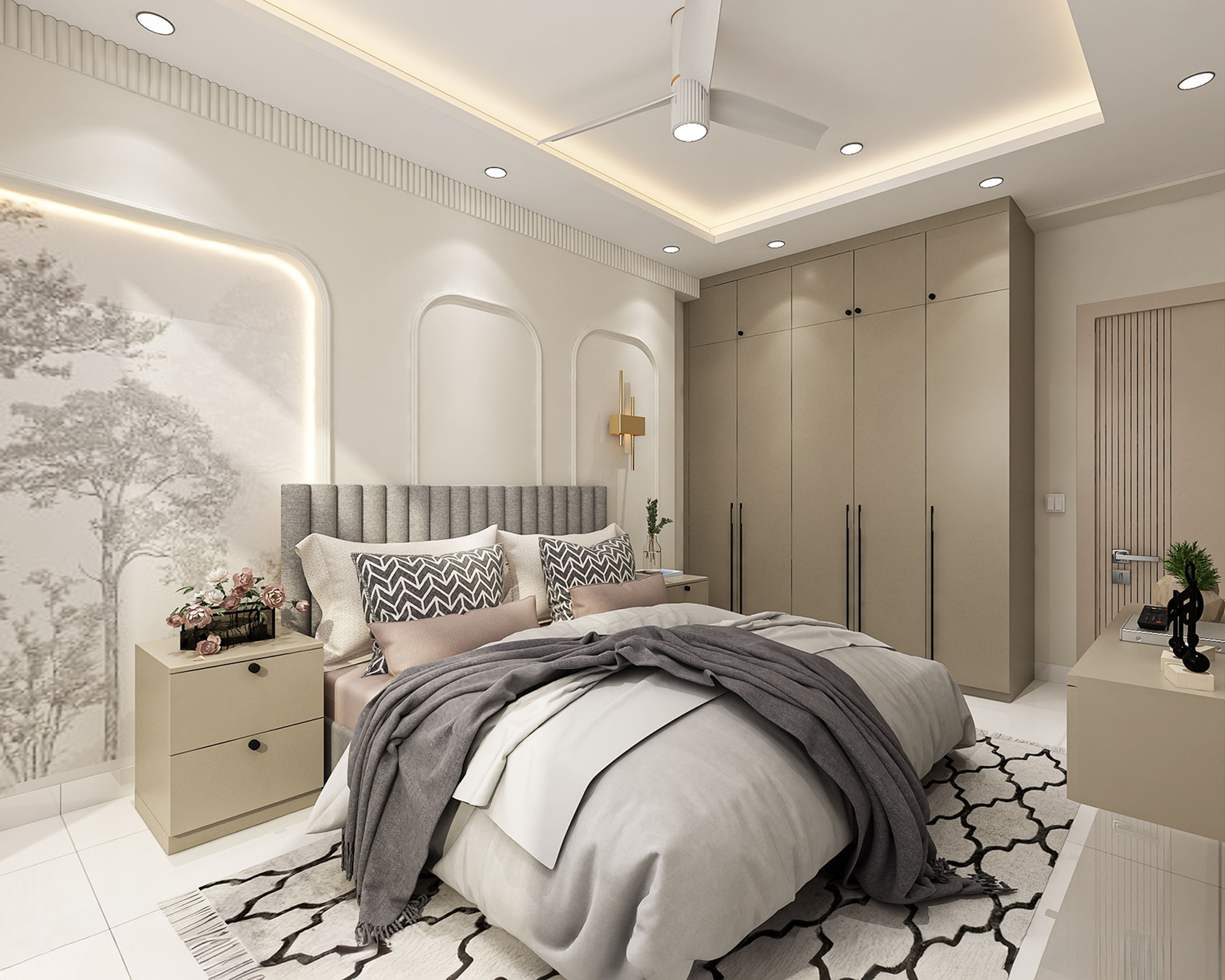
The choice usually comes down to how the bedroom is used in daily Pakistani life. Take a typical small family flat in Gulistan-e-Jauhar or Johar Town: the bedroom might host Fajr prayer at dawn, kids doing homework in the afternoon, and evening TV time. Warm light shines here during relaxed hours—it softens the edges of storage cupboards that line the walls and makes printed Ajrak or block-print bedding glow warmly. White light, however, proves handy during brighter parts of the day when the room needs to feel more functional. Some households solve this by installing dimmable options or separate fixtures so the mood can shift without major changes.
Space perception plays a big role in small homes. Warm light tends to make colours appear deeper and textures more prominent, which can make a room feel intimate but occasionally smaller if the walls are already painted in rich shades like deep beige or olive. White light, by contrast, reflects more and creates an illusion of openness—something many urban dwellers appreciate when their bedroom shares walls with the kitchen or living area. In practice, lighter wall paints paired with white ceiling lights can make even a 9×11 ft room feel surprisingly spacious, while warm accents like a bedside lamp add balance without overwhelming the layout.
.png "White Light vs Warm Light for Bedroom in Pakistan: Choosing the Right Glow for Small Homes")
Local decor styles also influence the decision. Traditional Pakistani bedrooms often feature heavy wooden beds, carved almirahs, and colourful rugs. Warm light complements these elements beautifully, bringing out the natural grain in sheesham furniture and the warmth in terracotta accents. Modern minimal setups popular in new apartments—think sleek wardrobes, geometric mirrors, and neutral palettes—pair nicely with white light for a clean, contemporary look. Many homeowners mix both: a main cool white ceiling fixture for overall brightness and warm bedside lamps for evening softness. This layered approach is especially practical in small rooms where a single light source can feel either too harsh or too dim.
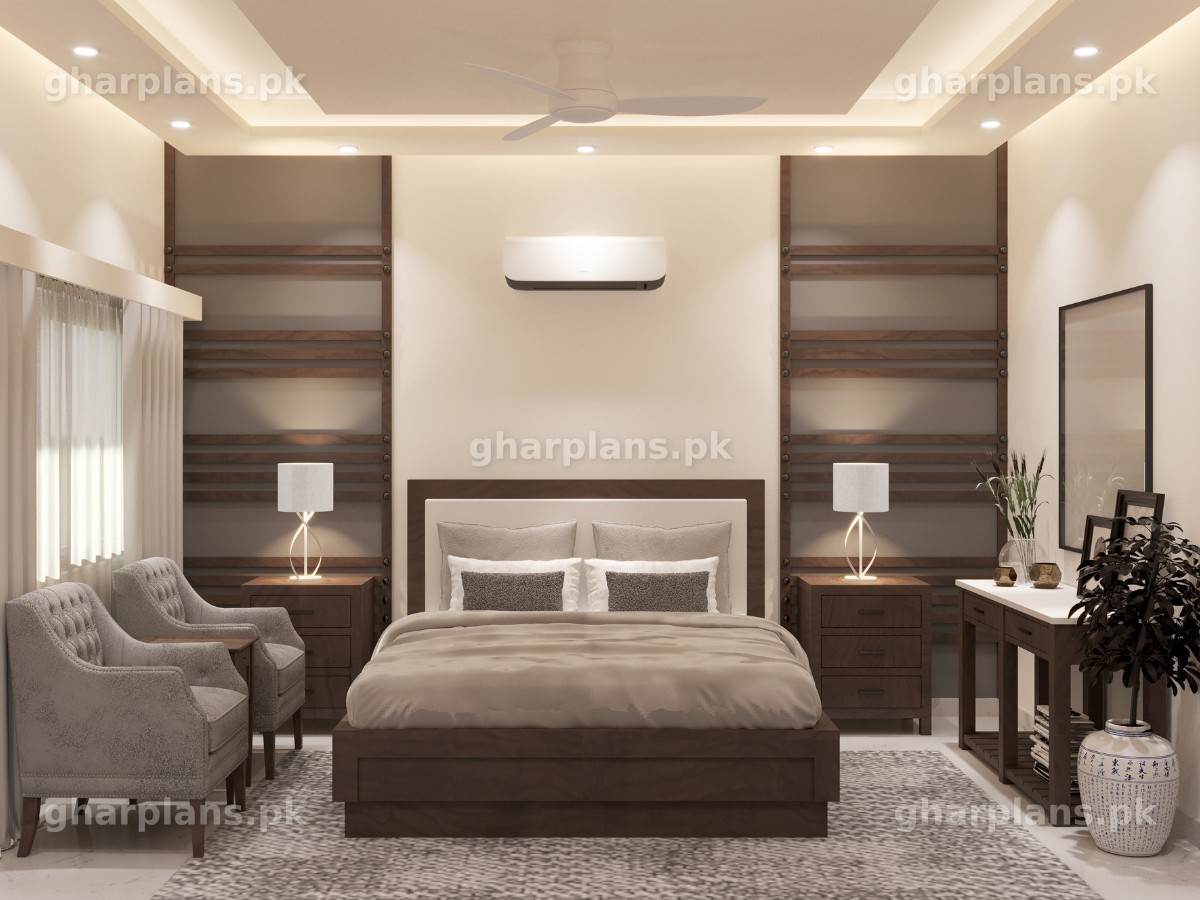
Ceiling fans remain a staple in almost every Pakistani bedroom, and lighting choices often tie into them. Many new fan-light combos come with switchable warm and white modes, letting families experiment without extra wiring. In smaller spaces, this flexibility helps avoid the common issue of a single glaring bulb dominating the room. Wall-mounted sconces or simple strip lights tucked behind headboards add another layer—warm tones for reading in bed, white for folding clothes or organising the wardrobe.
Everyday observations from homes across Pakistan show that personal taste and room orientation matter most. Bedrooms facing north or tucked inside apartment blocks often benefit from white light to compensate for softer natural daylight. South-facing rooms that catch afternoon sun might feel too bright already, making warm light a gentler evening choice. Families with children sometimes lean toward warmer options because the softer glow feels less clinical when the room is used for play or study. Others in busy households prefer white light for its ability to keep the space looking tidy and energised even after a long day.
Mixing lights has become a smart trend in small-home design. A central white LED panel for general illumination, warm pendant lights over a small dressing area, and a battery-operated touch lamp on the bedside table create depth without eating up floor space. This setup works particularly well in rented apartments where major renovations aren’t possible. The result is a bedroom that adapts—bright and practical by day, soft and welcoming by night.
Ultimately, there is no single “best” light for every small bedroom in Pakistan. What feels perfect in a modern high-rise flat in DHA Lahore might differ from what suits a compact house in Peshawar’s older neighbourhoods. Homeowners often start by observing how the room looks at different times—morning light streaming in, afternoon shadows, or evening family moments—and then choose bulbs or fixtures that enhance those natural shifts. Many simply pick up affordable LED options from local markets or online platforms and test them for a week before deciding.
The beauty of small-home lighting decisions lies in their simplicity. A single change in bulb temperature can transform how a bedroom feels—making it a place you want to linger in or one that motivates you to start the day. Whether you lean toward the cosy embrace of warm light or the crisp clarity of white, the goal remains the same: creating a space that reflects your daily rhythm in a country where homes are often compact yet full of life.

In the end, walking into your bedroom after a long day and feeling it “just right” is what matters. Pakistani small homes prove that thoughtful lighting choices—warm, white, or a thoughtful mix—can turn even the tiniest room into a personal sanctuary worth coming home to.