
In small Pakistani apartments and rented homes—especially in bustling cities like Faisalabad, Lahore, Karachi, or Islamabad—low-light rooms are incredibly common. Thick curtains for privacy and heat control, narrow windows blocked by neighboring buildings, or north-facing layouts often leave corners and study nooks dim for most of the day. Power cuts add another layer: no reliable grow lights, and dust from dry winds or humid monsoons settles fast on any surface. Many homeowners wonder whether to bring in real indoor plants for that fresh, lively touch or opt for artificial decor that looks good without the hassle.

thumbs.dreamstime.com/b/house-plants-green-table-b…
This guide dives deep into the real-world differences, tailored for practical Pakistani homes. We’ll compare maintenance, aesthetics, health aspects, and suitability for low-light conditions without any hype or shortcuts. The goal is simple: help you make a choice that fits your space, lifestyle, and the unique challenges of rented apartments in hot, humid, or dusty environments. No one-size-fits-all—your decision should match how much time and attention you can give.
Quick Answer Real indoor plants (especially low-light tolerant varieties) can improve air feel and bring a calming natural element, but they require careful watering and occasional cleaning in our humid climate. Artificial decor thrives in true low-light spots with zero upkeep. For most small rented homes in Pakistan, a smart hybrid approach often works best: a few hardy real plants in brighter spots plus high-quality artificial pieces in the darkest corners.
Side-by-Side Comparison: Real Plants vs. Artificial Decor
| Aspect | Real Indoor Plants (Low-Light Tolerant) | Artificial Decor |
|---|---|---|
| Light Requirements | Need indirect or very low light; some (like snake plant or ZZ) survive months with almost none | Work perfectly in complete darkness or dim corners |
| Maintenance | Water every 1–3 weeks (less in humidity), wipe dust, occasional pruning | Occasional dusting or wiping; nothing else |
| Air Quality & Humidity | Can gently filter air and add natural humidity (supported by general indoor plant studies) | No air-purifying effect; some high-quality ones feel neutral |
| Longevity | Can last years with proper care but may yellow or slow-grow in very low light | Last indefinitely; color stays consistent |
| Aesthetics | Organic look, subtle movement, grows over time | Instantly full and vibrant; realistic options now mimic real texture |
| Allergies & Pests | Possible pollen or mold risk in humid rooms; attracts pests if overwatered | Allergy-friendly; no pests or mold |
| Placement Flexibility | Limited to spots where they won’t rot from poor drainage | Anywhere—high shelves, dark alcoves, above cabinets |
| Cost Over Time | Initial pot/soil plus occasional fertilizer (general ongoing care) | One-time purchase; no recurring costs |
This comparison shows neither is universally “better.” Real plants reward patience; artificial ones reward convenience—especially in low-light Pakistani rooms where natural sunlight is limited.
Best Real Plants for Low-Light Rooms in Pakistani Homes Not every plant survives dim conditions, but a few proven performers do exceptionally well here. These tolerate the low indirect light common in apartments and handle our variable humidity better than fussy tropicals.

153 Zz Plants Stock Photos – Free & Royalty-Free Stock Photos from Dreamstime
- Snake Plant (Sansevieria) – The ultimate survivor. Upright sword-like leaves with yellow or green edges look architectural and modern. It stores water in its leaves, so it forgives missed waterings—ideal during busy weeks or power cuts. In humid Pakistani summers, let the soil dry completely between waterings to avoid root rot. Dust the leaves gently every couple of weeks; dust buildup blocks what little light there is.
- ZZ Plant (Zamioculcas zamiifolia) – Glossy, dark green leaves on sturdy stems. It thrives in almost no light and is famously drought-tolerant. Perfect for forgotten corners or study rooms. In dusty Faisalabad or Multan conditions, wipe leaves monthly. Overwatering is the only real killer—once every 3–4 weeks is usually enough.
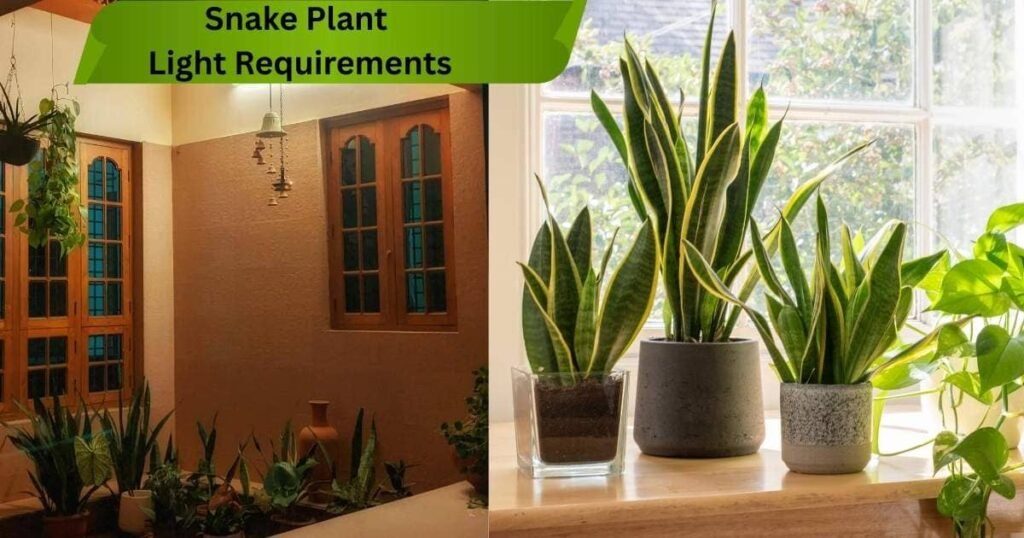
Snake Plant Light Requirements: Best Sunlight for Healthy Growth – Low Light Leaf
- Pothos (Golden or Marble Queen) – Trailing vines that cascade beautifully from shelves or hanging planters. They adapt to low light (growth slows but color holds). Great for small spaces because they soften hard edges. In rented homes, use command hooks for hanging—no drilling needed. Humidity actually helps them; just ensure good drainage.
- Cast Iron Plant (Aspidistra) – Tough, broad leaves that handle neglect like a champion. It tolerates dust and low light better than most. Slower growing, but that means less maintenance in a small apartment.
Pro Tip for Real Plants in Pakistan: Pair them with your existing warm lighting choices. Warm LED bulbs (as discussed in many practical home guides) create a cozy glow without stressing plants the way cool daylight bulbs might. Place near sheer curtains for a bit of filtered morning light if possible.
When Artificial Decor Wins in Low-Light Rooms High-quality artificial plants and greenery have come a long way. Today’s options use realistic textures, UV-treated leaves, and natural-looking stems that fool the eye even up close.

5 Inspiring Home Garden Decor Ideas for a Lush Indoor Space – Wallpics
They shine in true low-light scenarios: windowless hallways, deep alcoves behind sofas, or high shelves where watering would be risky. In dusty Pakistani cities, they stay clean with a quick wipe—no soil mess, no fallen leaves on rugs. For rentals, they’re move-in ready and won’t stain floors or attract unexpected bugs during monsoon season.
Look for pieces labeled “silk” or premium fabric rather than shiny plastic. Many now include subtle color variations and realistic imperfections that make them blend seamlessly with real decor.
Common Mistakes to Avoid in Low-Light Pakistani Homes
- Overwatering real plants: Our humidity already keeps soil moist longer—always check the top 2 inches of soil first.
- Choosing cheap, shiny artificial plants: They look fake immediately and cheapen the whole room.
- Ignoring dust: Both real and artificial collect it fast in our environment; regular gentle cleaning keeps everything looking fresh.
- Blocking natural airflow: Overcrowding corners with too many items reduces circulation, which matters for real plants.
- Placing real plants in completely sealed dark spots: Even tolerant varieties eventually stretch or pale without some indirect light.
Adapting Choices to Real Pakistani Conditions Low-light rooms in small rented homes face extra challenges: dust storms in Punjab, high humidity in coastal areas, and frequent load-shedding. Real plants can handle humidity well (it mimics their natural understory origins), but dust clings to leaves and reduces photosynthesis. Artificial decor ignores all of that—no wilting during heatwaves, no sudden pest issues after a power cut leaves the room stuffy.
Many homeowners already use practical solutions like open vs closed shelves or matte vs gloss paint to manage light and dust. Adding greenery—real or artificial—follows the same logic: small decisions that make rooms feel bigger and calmer without major renovations. A trailing pothos on a wall shelf or a tall artificial fiddle-leaf fig in a dark corner can instantly elevate the space while staying practical for everyday living.
Hybrid Approach: The Smart Choice for Most Homes You don’t have to choose one or the other. Many successful small-home setups use 2–3 hardy real plants in the brightest available spots plus artificial accents in the darkest areas. This gives you some natural benefits without constant worry. In a typical 10×12 rented bedroom, one snake plant on a side table, a pothos trailing from a shelf, and an artificial arrangement on top of a wardrobe create balance and depth.
Frequently Asked Questions Q: Can real plants really survive year-round in a room with almost no windows? A: Yes—snake plant, ZZ, and pothos are proven performers. Growth will be slower, but they stay healthy with minimal care.
Q: Do artificial plants look cheap in real life? A: Only the low-quality plastic ones. Premium silk or fabric versions with detailed veining and matte finishes look convincingly real, especially in lower light where imperfections are harder to spot.
Q: Will real plants help with stuffy air in humid rooms? A: They contribute to a fresher feel through gentle air exchange and humidity regulation, though results vary by room size and ventilation.
Q: How do I keep artificial plants from looking dusty? A: A soft dry cloth or compressed air duster every 2–4 weeks keeps them fresh. Avoid water unless the manufacturer says it’s safe.
Q: Are there any placement rules for low-light decor? A: Keep real plants away from direct AC vents or heaters. Artificial ones have no restrictions—use them to fill vertical space and draw the eye upward in small rooms.
Final Recommendation For most low-light rooms in Pakistani homes, start with 1–2 hardy real plants (snake or ZZ) if you enjoy a bit of routine care. Supplement with high-quality artificial decor in the darkest spots for instant impact and zero stress. This combination respects your time, your rental agreement, your climate realities, and your desire for a welcoming space.
The result? A room that feels alive, balanced, and practical—exactly what small-home living in Pakistan needs. Whether you lean toward real greenery for its natural calm or artificial for effortless beauty, the key is choosing pieces that fit your lifestyle and existing decor decisions (like curtain length, shelf height, or lighting temperature). Experiment in one corner first—you’ll quickly see what works best for your home.