
Living in Pakistan’s bustling cities often means making the most of every square foot. Whether you’re in a new apartment block in Multan’s developing areas, a cozy flat in Lahore’s old Walled City, or a compact house in Karachi’s busy neighbourhoods, your bedroom is usually the heart of daily life. It’s where you rest, host unexpected guests, spread out prayer mats, or simply unwind with a cup of chai after a long day. And in many of these homes, the bed takes centre stage—literally and visually. So the question many homeowners quietly ask while measuring walls and sketching layouts is simple: low bed or high bed?
There’s no one-size-fits-all answer, but understanding how each option behaves in a typical Pakistani small bedroom can make your decision feel effortless rather than overwhelming. Let’s walk through the real differences, local realities, and styling ideas that actually work in our homes.
What Exactly Counts as a Low Bed or High Bed?
In simple terms, a low bed (often called a platform or floor-style bed) sits close to the ground—usually 8 to 18 inches from floor to mattress top. Think modern wooden platforms, sleek divan bases, or even the updated versions of our classic charpai. These designs keep the visual weight low and the room feeling open.
A high bed, on the other hand, has taller legs or a boxy frame that lifts the mattress 24 inches or more off the floor. Traditional wooden beds with elaborate headboards, storage drawers underneath, or even older metal frames fall into this category. The extra height creates usable space below but also adds vertical presence that can change how the whole room feels.
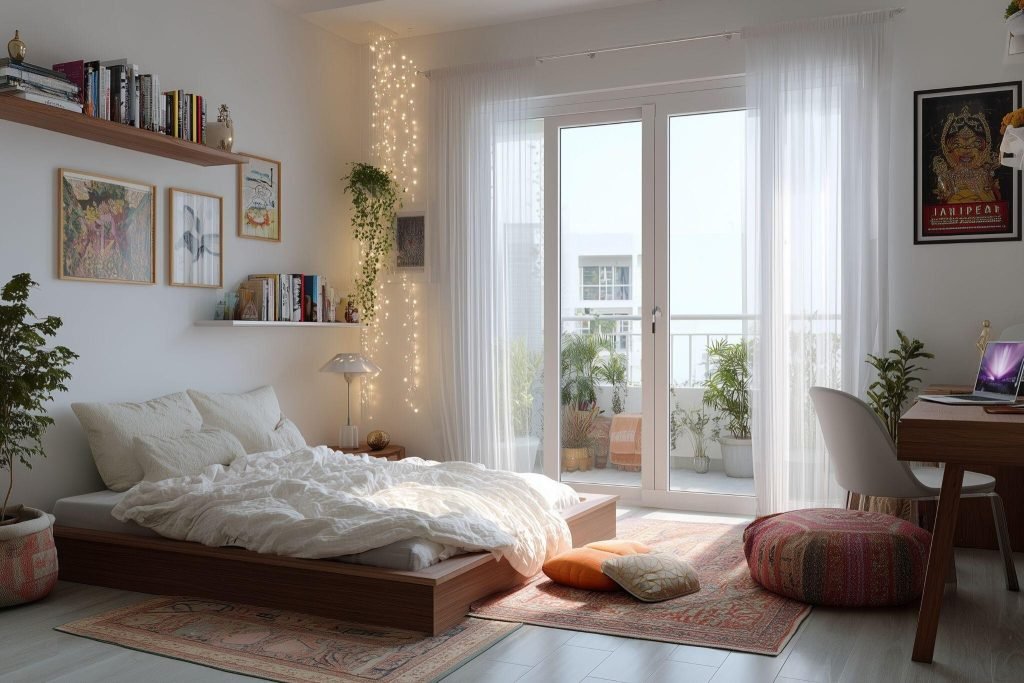
Small Bedroom Decorating Ideas: 7 Smart Space-Saving Tips
In Pakistan’s smaller bedrooms—often 8×10 or 10×12 feet—the difference isn’t just about numbers on a tape measure. It’s about how the bed interacts with natural light from high windows, ceiling fans spinning lazily overhead, and the way family members move around the space barefoot on cool marble or tiled floors.
Why Low Beds Often Feel Like a Breath of Fresh Air in Tight Spaces
Walk into many newly designed apartments in Pakistan today and you’ll notice a quiet shift toward low-profile beds. The reason is visual psychology: when the bed sits low, your eyes travel straight across the room instead of stopping at a tall headboard or bulky frame. The ceiling appears higher, walls feel farther apart, and suddenly that small room doesn’t press in on you.
Low beds also pair beautifully with the way many Pakistani families actually live. We love sitting on the floor with cushions during casual gatherings or watching dramas together. A low platform makes it easy to step down onto a beautiful dhurrie or handwoven rug without a big drop. In humid months, air circulates more freely around a lower silhouette, and sweeping underneath stays quick and simple—no awkward bending under a tall frame.
Local carpenters in Multan and Faisalabad have started offering smart adaptations: solid sheesham wood platforms with subtle under-bed pull-out trays that don’t need tall legs. Pair one with neutral cotton bedding in soft beige or sage green, add a few embroidered bolster cushions in phulkari patterns, and the room instantly feels calm and contemporary.

Small Bedroom Ideas in Pakistan
Many young couples furnishing their first home in Bahria Town or DHA apartments are choosing this route because it lets them layer in personality without clutter. A low bed becomes a blank canvas for colourful throws, brass floor lamps, and that one statement mirror you picked up from Anarkali Bazaar.
When a High Bed Still Makes Perfect Sense
Of course, not every small bedroom benefits from hugging the floor. In homes where storage is the biggest headache, a thoughtfully chosen high bed can quietly solve problems. The space underneath becomes a natural home for suitcases, seasonal blankets, or even a few plastic storage boxes neatly tucked away. In joint-family setups where one room serves multiple purposes, that hidden real estate matters.
High beds also bring a sense of tradition and grandeur that many Pakistanis still cherish. Ornate wooden frames with carved details remind us of older family homes, and they can anchor a room that otherwise feels too minimalist. The extra height creates a cosy “fortress” feel—perfect for curling up with a book while the ceiling fan whirs above.
But here’s the practical side for small spaces: choose a high bed only if the ceiling is at least 9–10 feet high and the room has decent width. Otherwise the bed can dominate and make the space feel boxed in. Many local furniture shops now offer slimmer high frames with open legs instead of solid sides, which helps maintain some visual flow.
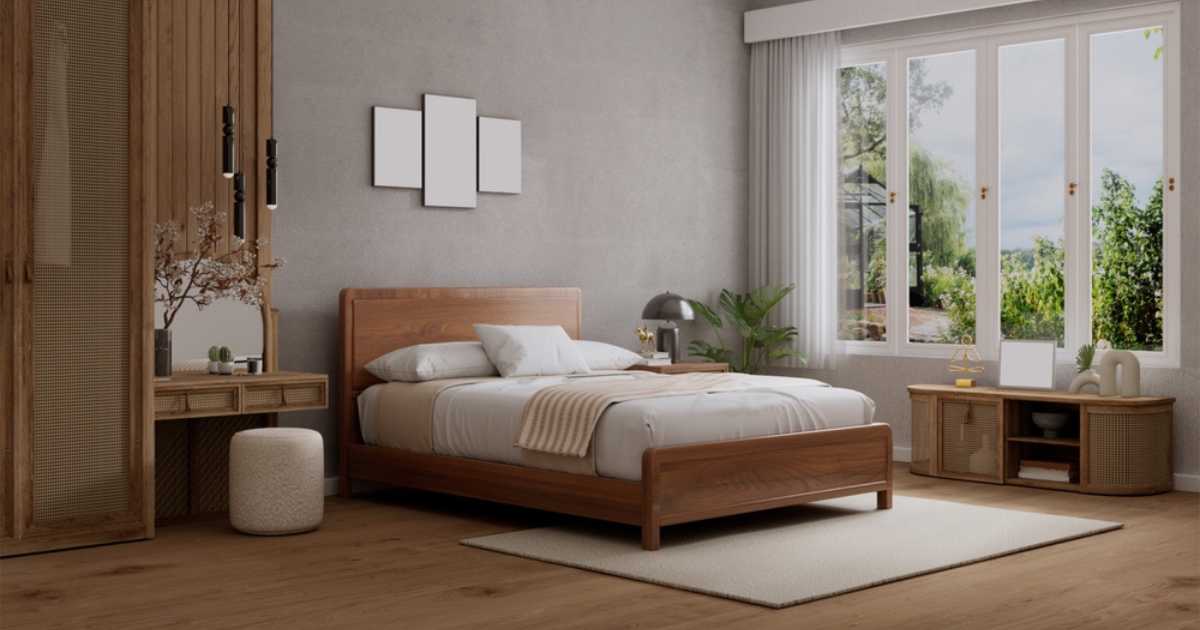
Top 10 Single Bed Designs in Pakistan – Renome
The Charpai Connection: Pakistan’s Original Low Bed
We can’t talk about low beds in Pakistan without celebrating the charpai. For generations, families across Punjab and Sindh have used these woven-rope wonders—light, breathable, and perfectly suited to hot summers. Modern versions blend the traditional low height with updated styling: sturdy wooden frames, colourful woven tapes instead of rope, and even foldable designs for multi-use rooms.
A charpai-style low bed in a small bedroom feels both rooted in our culture and surprisingly fresh. Place one against a wall painted in warm terracotta, layer it with block-printed sheets and plenty of floor cushions, and you’ve created a flexible seating area by day and a comfortable sleep space by night. It’s an especially smart choice for guest rooms in compact homes where every piece of furniture needs to pull double duty.
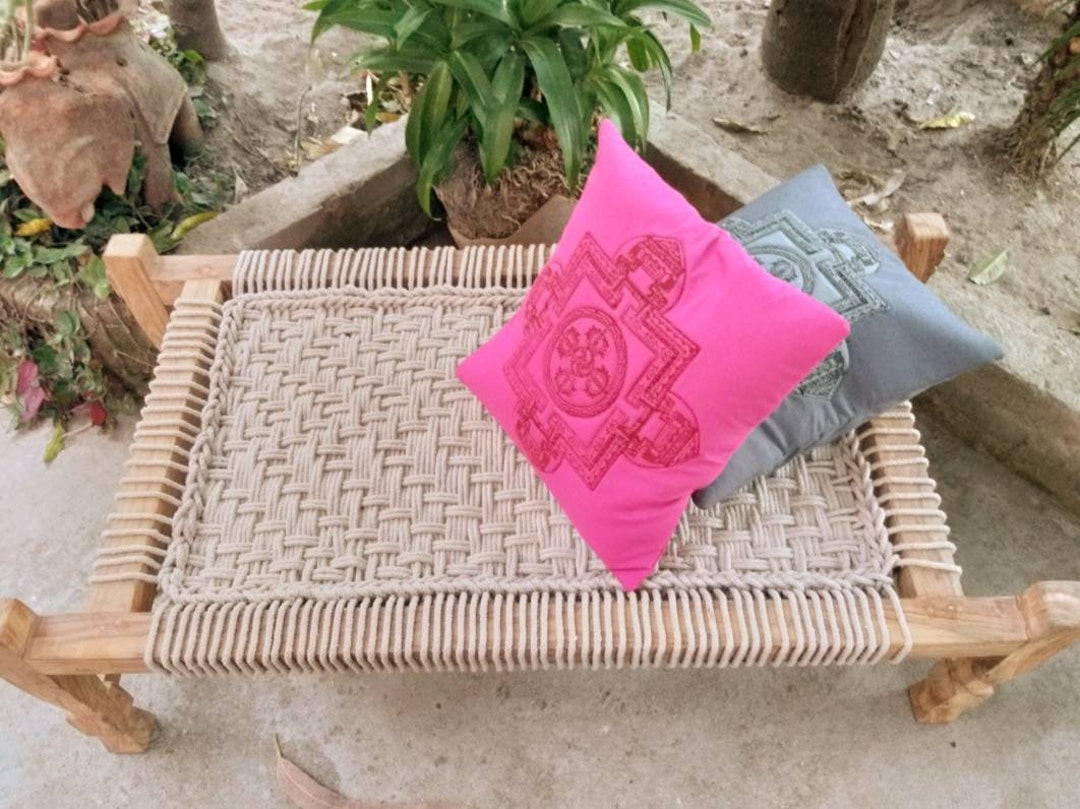
Indian Day Bed Charpoy Hand Made With High Quality Rose Wood and Hand-knitted Cotton.beautiful for Indoor and Outdoor. – Etsy
Styling Both Options Like a Pro in Pakistani Homes
No matter which height you choose, the magic happens in the details that make the room feel like yours.
For low beds: Keep the area around the bed light and layered. Use wall-mounted shelves instead of bulky side tables so the floor space stays open. Hang lightweight cotton curtains that pool gently on the floor and choose rugs with subtle geometric patterns—think Sindhi ajrak-inspired motifs in soft tones. Add vertical interest with tall potted snake plants or a single brass pendant light that draws the eye upward.
For high beds: Balance the height with lower furniture elsewhere. A slim bench at the foot of the bed or a low wooden chest keeps the room from feeling top-heavy. Incorporate local textiles generously—perhaps a kantha quilt folded at the end or embroidered pillow shams in jewel tones. Good lighting is everything: bedside lamps at eye level plus a floor lamp in the corner prevent the under-bed area from turning into a dark cave.
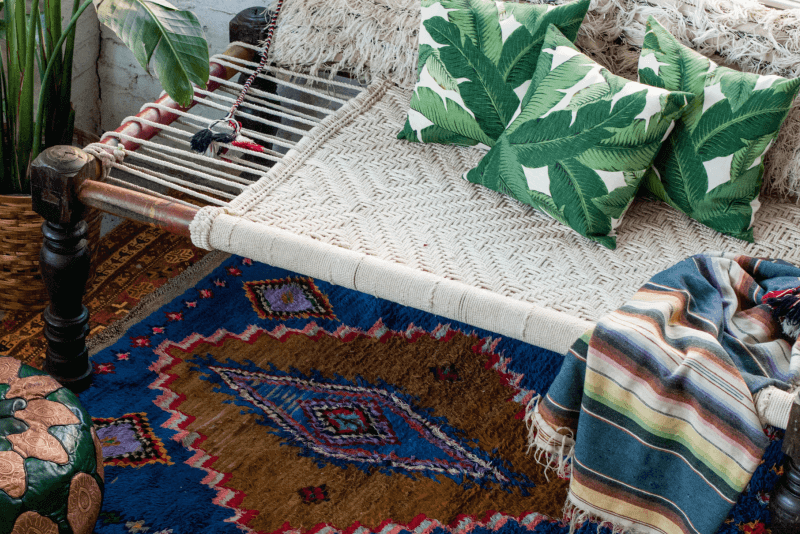
What’s a Charpai? – Good Night’s Rest
In both cases, colour matters. Soft neutrals and earthy tones (beige, sage, terracotta, warm grey) make small bedrooms in Pakistan feel larger and more serene, especially when natural light filters through jaali screens or balcony doors.
Making the Final Call for Your Space
Picture your typical day. Do you prefer a room that feels open and airy, where you can easily roll out yoga mats or lay down for afternoon rest? A low bed might be the natural fit. Or do you need every inch of hidden storage and enjoy the slightly elevated, traditional look? Then explore high-frame options that don’t overwhelm.
Measure twice—once with the mattress you plan to use—and consider how the bed will sit with your existing wardrobe, dressing table, or prayer nook. Visit local markets or trusted carpenters who understand small-home realities; many can customise height, wood finish, and even add discreet storage without making the piece bulky.
Ultimately, the “right” bed is the one that lets your small bedroom breathe while reflecting how your family actually lives. In Pakistan’s compact homes, that often means blending practicality with the warmth and hospitality we’re known for.
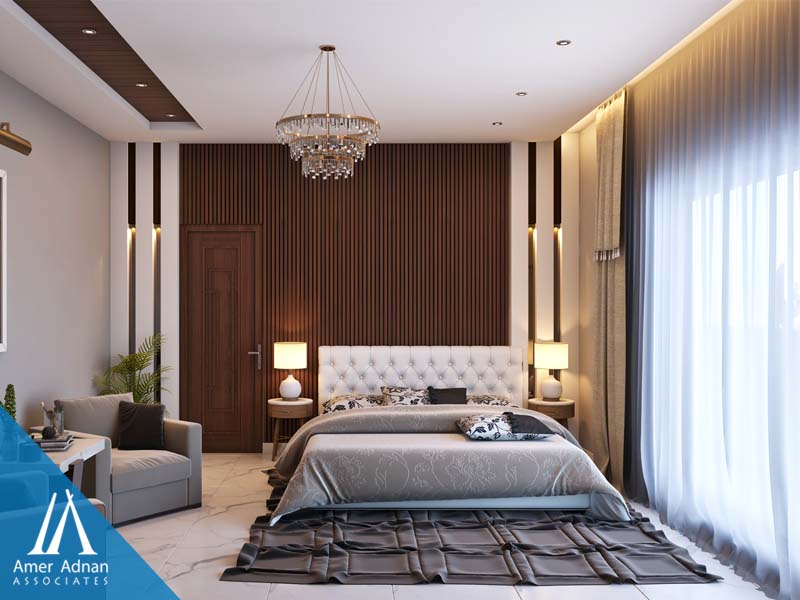
How to Create a Comfortable Bedroom Design in Pakistan | Providing Design & 3D Support to Architectural Firms Globally
Whether you go low and modern or high and storied, your bedroom can become a peaceful retreat that works beautifully every single day. The best part? Once you choose, the rest of the styling falls into place naturally—layer by layer, cushion by cushion, until the space feels like home.