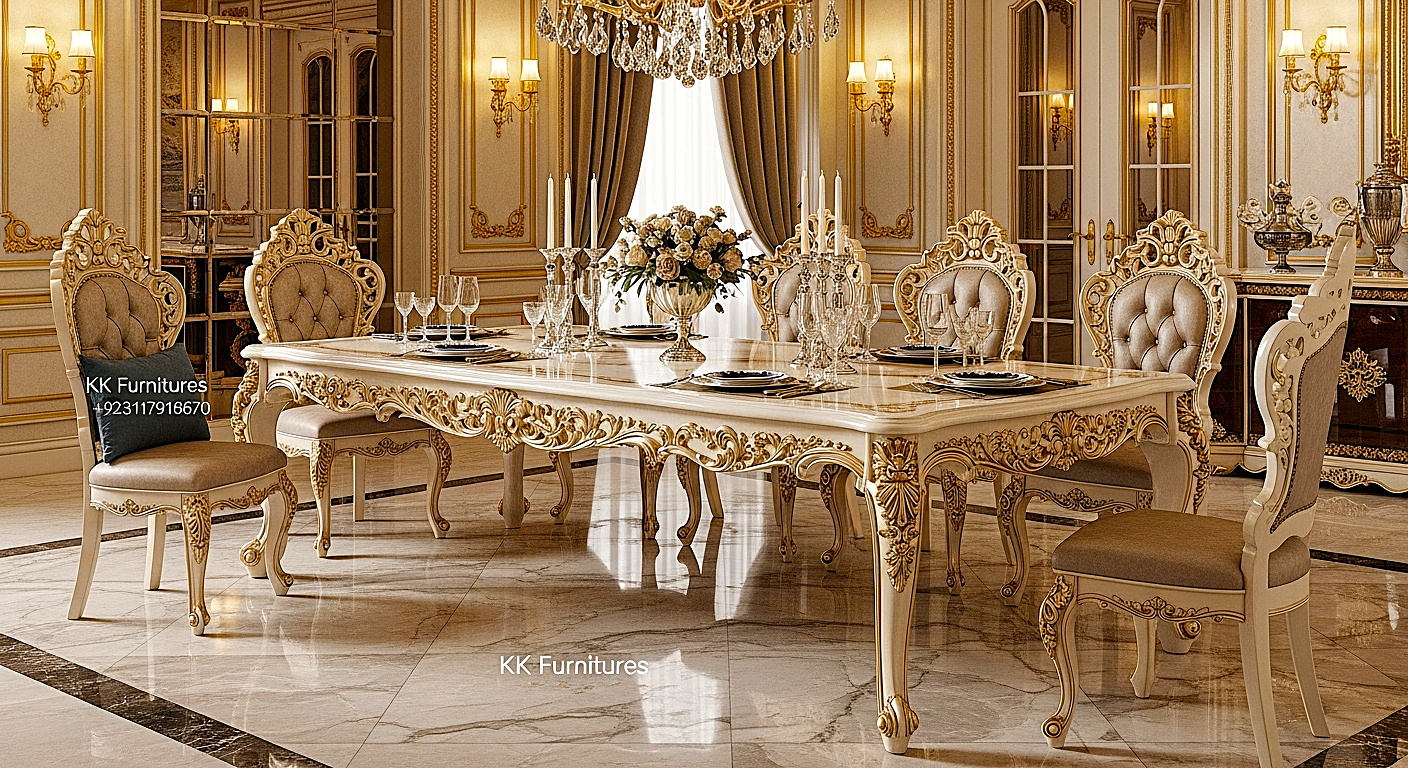
In the bustling lanes of Multan, the high-rise apartments of Karachi, or the cozy family homes tucked in Lahore’s older neighbourhoods, one decision keeps coming up during weekend furniture hunts: glass table or wooden table? For families living in small spaces, this isn’t just about looks. It’s about how the table survives spilled chai, late-night study sessions, and weekend gatherings where everyone squeezes around it for biryani or simple dal-chawal.
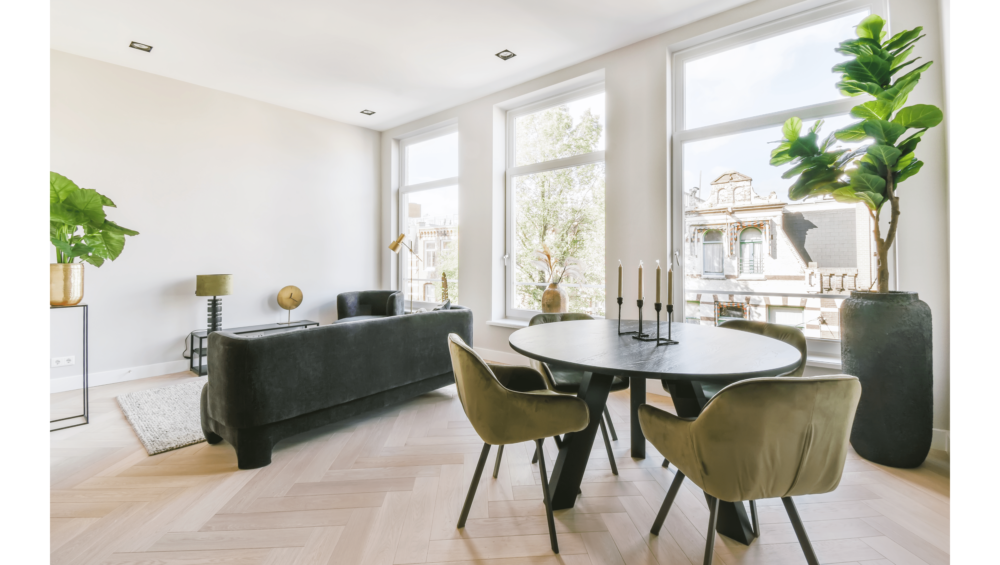
Small homes in Pakistan teach us creativity. Many families manage with 4-6 seater setups in spaces that double as living and dining areas. The right table can make the room feel open and welcoming or warm and grounded. Both glass and wooden options have their place, and understanding them in our local context helps turn that decision into something thoughtful rather than stressful.
Why Table Choice Feels Big in Compact Pakistani Homes
Living in smaller homes often means every piece of furniture works harder. A dining table isn’t just for meals—it becomes the homework station, the evening tea spot, and the place where stories are shared after a long day. In Pakistan’s urban apartments and modest houses, natural light can be limited, dust sneaks in during summer winds, and humidity rises during monsoon months. These everyday realities shape how a table holds up over time.
Glass tables tend to create an open, airy feel that many small-home owners love. Wooden tables bring a sense of warmth that feels instantly familiar, almost like an extension of the family itself. Neither is universally “better”—it depends on how your household actually lives.

Glass Tables: Light, Modern, and Reflective
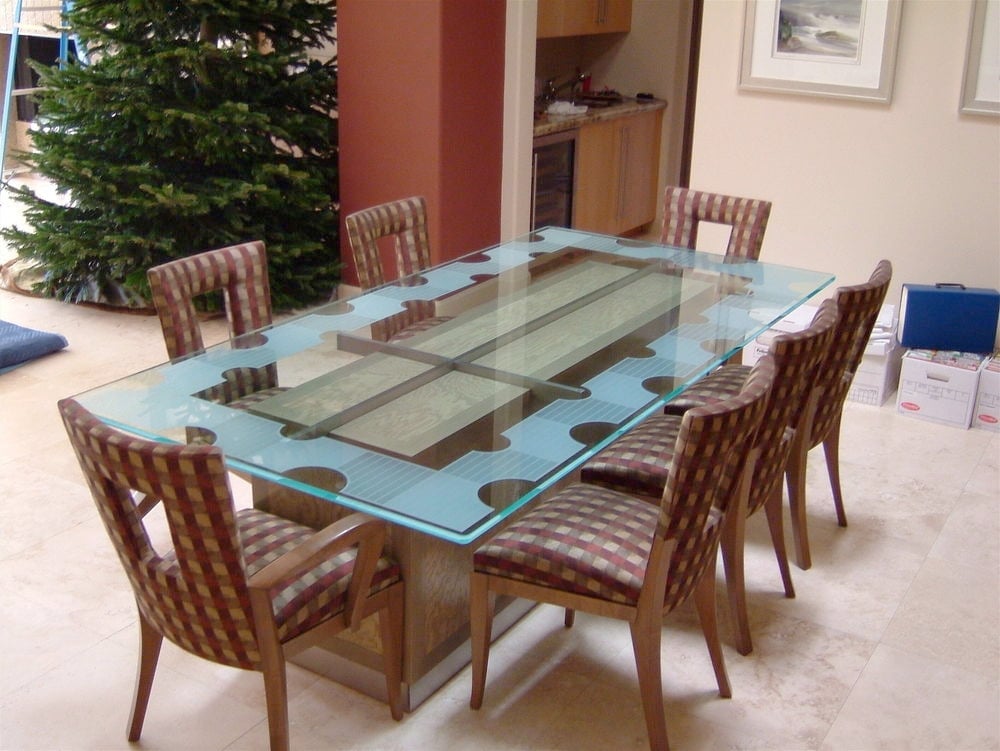
Walk into a contemporary drawing room in Gulberg or a new apartment in Bahria Town and you’ll often spot a glass-top table. The transparency makes the room feel larger because your eye travels through the surface instead of stopping at solid wood. In small spaces, this visual trick is genuinely helpful—especially when the table sits near windows and catches afternoon light.
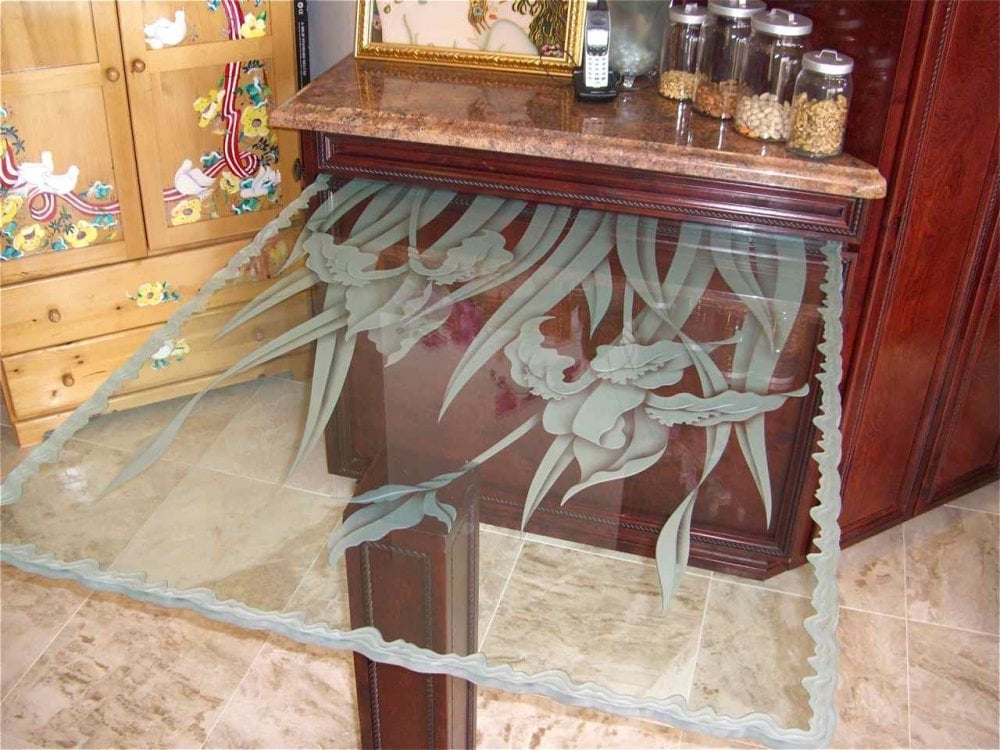
Glass surfaces wipe down quickly after meals. A quick cloth pass removes crumbs or chai stains without much effort. Many families appreciate how glass pairs beautifully with metal or slim wooden legs, keeping the overall look light and uncluttered. In Pakistan’s growing preference for modern-minimal interiors, glass adds a sleek touch that feels fresh against traditional rugs or printed curtains.
Yet glass shows everything. Fingerprints from little hands, water marks, and fine dust from a Karachi sea breeze become visible within hours. In homes where kids race around or elders rest their elbows during long conversations, that clarity can sometimes feel high-maintenance. The reflective quality, while beautiful, can also highlight any clutter underneath if storage baskets aren’t neatly arranged.
Wooden Tables: Warmth, Character, and Familiar Comfort
Nothing quite matches the lived-in charm of a wooden dining table. In Pakistani homes, sheesham (rosewood) remains a favourite for good reason. Its rich grain and natural variations tell a story—each table feels unique, almost like it belongs to the family already.
Wood brings instant warmth. On winter evenings in Multan when the temperature drops, gathering around a wooden table feels cosy and inviting. The surface absorbs sound better than glass, so family conversations don’t echo quite as much in tight spaces. Scratches and minor marks that come with everyday life tend to blend into the natural pattern rather than stand out.
Many wooden tables in Pakistan use local craftsmanship techniques passed down through generations. The slightly heavier build gives a solid, reassuring presence—perfect when multiple generations share meals and the table sees constant use. A simple cloth or placemat routine keeps it looking its best, and the natural texture often complements the mix of modern and traditional décor so common in our homes.

Side-by-Side: How They Handle Real Family Life
Space and Light Glass wins for making small rooms feel bigger. The see-through top and slim profile create breathing room, especially in apartments where every inch counts. Wooden tables feel more substantial and can anchor a space, giving it a grounded centre.
Maintenance in Our Climate Pakistan’s dust and occasional humidity play a role. Glass needs regular wiping to stay sparkling but resists deep stains. Wood, particularly well-finished sheesham, handles daily wear gracefully and can be polished occasionally to restore its glow. Both respond well to simple habits like using coasters or placemats during meals.
Family Dynamics In homes with children, a wooden surface often forgives the occasional bumped toy or enthusiastic homework session. Glass offers a clean, modern stage for special occasions when the family wants everything to look polished. Many households notice that wooden tables encourage lingering—people lean in, share plates, and stay longer. Glass keeps things feeling light and breezy, ideal for quicker weekday dinners.
Aesthetics in Pakistani Homes Glass pairs effortlessly with contemporary sofas and metallic accents popular in newer developments. Wooden tables sit comfortably beside carved almarihs, colourful dhurries, and family photos on the wall. Both can blend when mixed thoughtfully—some families choose a wooden base with a glass top for the best of both worlds.
Everyday Scenarios That Matter
Picture a typical evening: kids finishing schoolwork while Ammi prepares dinner nearby. A wooden table’s forgiving surface lets notebooks slide without worry. Or imagine Eid gatherings when extended family squeezes in—glass can make the room feel less crowded, while wood offers that familiar gathering spot everyone gravitates toward.
In smaller homes, versatility counts. Some tables double as console surfaces during the day or host board games on weekends. The choice often comes down to which material matches your family’s rhythm rather than following trends.
Finding What Feels Right for Your Home
Living in small Pakistani homes means embracing thoughtful decisions that serve daily life rather than impress visitors. Glass tables shine when you want lightness and modernity. Wooden tables deliver warmth and character that grows richer with time and shared memories.
Take a moment to observe your space and routines. Notice how light falls across the room, how many people gather most evenings, and what kind of energy you want around the table. Both materials have earned their place in homes across Pakistan, proving that the “right” table is the one that quietly supports your family’s story—one meal, one conversation, and one ordinary day at a time.
Whether your home leans modern or traditional, the decision ultimately celebrates the heart of Pakistani family life: coming together, no matter how compact the space. The table you choose becomes part of that beautiful, everyday rhythm.